
Lekki Headmaster Questions Chapter 3 Secure Now
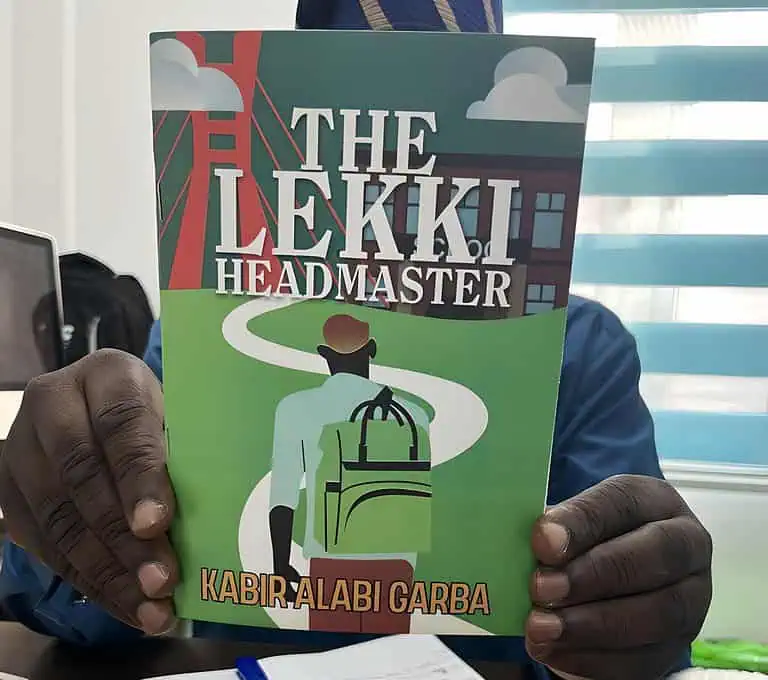
Here are 50 objective questions from Chapter 3, Migration Tales, in The Lekki Headmaster by Kabir Alabi Garba. Each question has answer options, the correct answer, and a detailed explanation.
The questions focus on key details about events, characters, and themes in the chapter. Explanations help make the story clearer.
Try to answer the questions before checking the answers. Use the explanations to improve your learning.
Note: These are practice questions and are not part of the UTME
If you need your real Jamb cbt answer then you have to click here
Lekki Headmaster Sample Questions: Chapter 3 — Migration Tales
1. What is the primary theme of Chapter 3?
a) Friendship
b) Migration
c) Education
d) Competition
2. Who is the main character reflecting on migration?
a) Mr. Bepo
b) Mrs. Ibidun Gloss
c) A new student
d) A teacher
3. What motivates people to migrate according to the chapter?
a) Adventure
b) Economic opportunities
c) Family ties
d) Education
4. What country is mentioned as a popular destination for migrants?
a) Canada
b) Australia
c) Germany
d) Japan
5. How does the chapter describe the experiences of migrants?
a) Easy and straightforward
b) Challenging and complex
c) Uninteresting
d) Unimportant
6. What does Mr. Bepo think about the migration phenomenon?
a) It is a negative trend
b) It is a necessary choice
c) It is a waste of time
d) It is overrated
7. What is one reason people leave Nigeria, as mentioned in the chapter?
a) Climate change
b) Political instability
c) Cultural differences
d) Language barriers
8. How does the chapter portray the impact of migration on families?
a) It strengthens bonds
b) It creates distance
c) It has no effect
d) It is beneficial
9. What does Mr. Bepo encourage students to consider about migration?
a) The risks involved
b) The benefits of staying
c) The ease of the process
d) The excitement of travel
10. What is a common misconception about migrants, according to the chapter?
a) They are all wealthy
b) They are all educated
c) They are all criminals
d) They are all seeking better lives
11. How does the chapter depict the emotional toll of migration?
a) It is insignificant
b) It is overwhelming
c) It is exciting
d) It is trivial
12. What does Mr. Bepo share about his own experiences with migration?
a) He has never migrated
b) He has faced challenges
c) He has had a smooth journey
d) He regrets his choices
13. How does the chapter address the issue of brain drain?
a) It ignores it
b) It highlights its consequences
c) It praises it
d) It downplays it
14. What does the chapter suggest about the future of migration?
a) It will decrease
b) It will remain a trend
c) It will become illegal
d) It will be unregulated
15. How do migrants often feel about their decision to leave?
a) Confident
b) Regretful
c) Indifferent
d) Excited
16. What is one challenge migrants face upon arrival in a new country?
a) Finding housing
b) Making friends
c) Learning the language
d) All of the above
17. How does the chapter portray the role of social media in migration?
a) As a distraction
b) As a tool for connection
c) As irrelevant
d) As harmful
18. What does Mr. Bepo advise students to do before considering migration?
a) Research their options
b) Follow their friends
c) Ignore the risks
d) Act impulsively
19. How does the chapter depict the relationship between migration and education?
a) They are unrelated
b) Education is a key factor
c) Education is a barrier
d) Education is unimportant
20. What does the chapter suggest about the perception of migrants in host countries?
a) They are welcomed
b) They are often misunderstood
c) They are ignored
d) They are celebrated
21. How does Mr. Bepo feel about the stories of migrants he hears?
a) He finds them boring
b) He is inspired by them
c) He is indifferent
d) He is skeptical
22. What does the chapter reveal about the sacrifices migrants make?
a) They are minimal
b) They are significant
c) They are unnecessary
d) They are overrated
23. How does the chapter address the issue of identity for migrants?
a) It is not a concern
b) It is a complex issue
c) It is easily resolved
d) It is irrelevant
24. What does Mr. Bepo encourage students to do regarding their own identities?
a) To forget their roots
b) To embrace their heritage
c) To conform to new cultures
d) To ignore their backgrounds
25. How does the chapter portray the impact of migration on local economies?
a) It is detrimental
b) It is beneficial
c) It has no effect
d) It is negative
26. What does the chapter suggest about the role of government in migration?
a) It should be hands-off
b) It should regulate migration
c) It should encourage migration
d) It should ignore it
27. How do families often cope with the absence of a migrant member?
a) They forget about them
b) They maintain communication
c) They become distant
d) They move on quickly
28. What does Mr. Bepo think about the stories of success among migrants?
a) They are exaggerated
b) They are inspiring
c) They are rare
d) They are misleading
29. How does the chapter depict the challenges of adapting to a new culture?
a) They are easy to overcome
b) They are significant
c) They are irrelevant
d) They are enjoyable
30. What does the chapter suggest about the importance of community support for migrants?
a) It is unnecessary
b) It is vital for success
c) It is overrated
d) It is irrelevant
31. How does Mr. Bepo encourage students to view migration?
a) As a last resort
b) As an opportunity
c) As a burden
d) As a mistake
32. What does the chapter reveal about the motivations behind migration?
a) They are purely economic
b) They are complex and varied
c) They are simple
d) They are irrelevant
33. How does the chapter address the issue of cultural assimilation?
a) It is not important
b) It is a challenge for many
c) It is easy for everyone
d) It is unnecessary
34. What does Mr. Bepo believe about the future of migration trends?
a) They will stabilize
b) They will increase
c) They will decrease
d) They will become illegal
35. How does the chapter portray the emotional experiences of migrants?
a) They are trivial
b) They are complex and varied
c) They are straightforward
d) They are unimportant
36. What does the chapter suggest about the role of education in migration?
a) It is irrelevant
b) It is a driving factor
c) It is a barrier
d) It is unimportant
37. How does Mr. Bepo feel about the stories of hardship faced by migrants?
a) He finds them exaggerated
b) He empathizes with them
c) He is indifferent
d) He is skeptical
38. What does the chapter reveal about the impact of migration on children?
a) It is negative
b) It is positive
c) It is insignificant
d) It is complex
39. How does the chapter address the issue of legal versus illegal migration?
a) It is not important
b) It highlights the differences
c) It is irrelevant
d) It is a minor concern
40. What does Mr. Bepo encourage students to do regarding their future?
a) To plan carefully
b) To act impulsively
c) To ignore their options
d) To follow trends
41. How does the chapter portray the role of family in migration decisions?
a) It is irrelevant
b) It is a significant factor
c) It is a minor concern
d) It is unimportant
42. What does the chapter suggest about the importance of networking for migrants?
a) It is unnecessary
b) It is vital for success
c) It is overrated
d) It is irrelevant
43. How does Mr. Bepo feel about the future of migration for young people?
a) He is pessimistic
b) He is optimistic
c) He is indifferent
d) He is skeptical
44. What does the chapter reveal about the challenges of finding employment as a migrant?
a) They are minimal
b) They are significant
c) They are irrelevant
d) They are easy to overcome
45. How does the chapter address the issue of cultural identity for migrants?
a) It is not a concern
b) It is a complex issue
c) It is easily resolved
d) It is irrelevant
46. What does Mr. Bepo encourage students to do regarding their cultural heritage?
a) To forget it
b) To embrace it
c) To ignore it
d) To hide it
47. How does the chapter portray the impact of migration on local communities?
a) It is negative
b) It is positive
c) It has no effect
d) It is detrimental
48. What does the chapter suggest about the importance of adaptability for migrants?
a) It is unnecessary
b) It is vital for success
c) It is overrated
d) It is irrelevant
49. How does Mr. Bepo feel about the stories of resilience among migrants?
a) He finds them inspiring
b) He is indifferent
c) He is skeptical
d) He finds them exaggerated
50. What does the chapter reveal about the long-term effects of migration on individuals?
a) They are insignificant
b) They are complex and varied
c) They are straightforward
d) They are unimportant
Lekki Headmaster Questions Chapter 3 Secure Now
Lekki Headmaster Questions Chapter 3 Secure Now
Lekki Headmaster Questions Chapter 3 Secure Now
Lekki Headmaster Questions Chapter 3 Secure Now
Lekki Headmaster Questions Chapter 3 Secure Now
Lekki Headmaster Questions Chapter 3 Secure Now
Lekki Headmaster Questions Chapter 3 Secure Now
Lekki Headmaster Questions Chapter 3 Secure Now
Lekki Headmaster Questions Chapter 3 Secure Now
Lekki Headmaster Questions Chapter 3 Secure Now
Lekki Headmaster Questions Chapter 3 Secure Now
Lekki Headmaster Questions Chapter 3 Secure Now
Lekki Headmaster Questions Chapter 3 Secure Now
Lekki Headmaster Questions Chapter 3 Secure Now
Lekki Headmaster Questions Chapter 3 Secure Now
If you found this post helpful or have any questions, please leave a comment below.