
Lekki Headmaster Questions Chapter 8 Secure Now
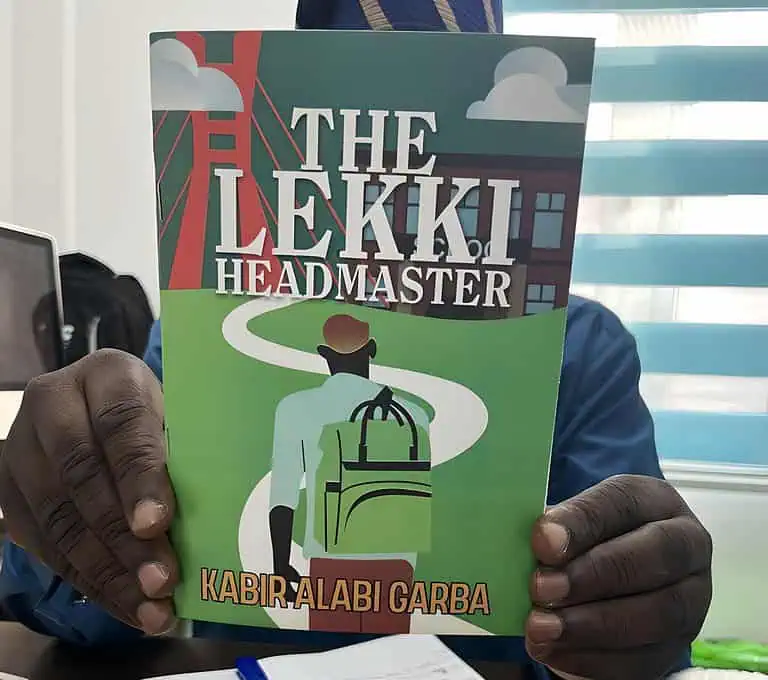
Here are 50 questions about Chapter 8, Missions Unaccomplished, in The Lekki Headmaster by Kabir Alabi Garba. Each question has multiple-choice options, the correct answer, and a detailed explanation
questions highlight key parts of the chapter, including events, characters, and themes. Clear explanations make it easier to understand the story.
Test yourself by answering the questions before checking the answers and explanations.
Note: These are practice questions and will not appear in the utme
If you need your real jamb Expo then you have to click here
Lekki Headmaster Sample Questions: Chapter 8 — Missions Unaccomplished
1. What is the primary focus of Chapter 8?
a) Academic achievements
b) Unresolved issues
c) School events
d) Teacher-student relationships
2. Who is the main character dealing with unaccomplished missions?
a) Mr. Bepo
b) Mrs. Ibidun Gloss
c) Jide
d) Ade
3. What type of missions are referred to in the chapter?
a) Personal goals
b) Academic tasks
c) School projects
d) Community service
4. How does Mr. Bepo feel about the unresolved issues?
a) Indifferent
b) Frustrated
c) Happy
d) Confused
5. What does the chapter suggest about the importance of completing missions?
a) It is unimportant
b) It is essential
c) It is optional
d) It is irrelevant
6. How do the students react to the concept of unaccomplished missions?
a) They are indifferent
b) They feel motivated
c) They are confused
d) They feel discouraged
7. What does Mr. Bepo encourage the students to do regarding their missions?
a) To abandon them
b) To reflect on them
c) To ignore them
d) To rush through them
8. What is one of the main themes of the chapter?
a) Success
b) Regret
c) Perseverance
d) Friendship
9. How does the chapter portray the consequences of unaccomplished missions?
a) They are minimal
b) They are severe
c) They are irrelevant
d) They are beneficial
10. What does Mr. Bepo believe about the role of reflection in achieving goals?
a) It is unnecessary
b) It is vital
c) It is irrelevant
d) It is optional
11. How does the principal respond to the issue of unaccomplished missions?
a) With anger
b) With support
c) With indifference
d) With confusion
12. What does the chapter suggest about the impact of teamwork on achieving missions?
a) It is unimportant
b) It is crucial
c) It is irrelevant
d) It is optional
13. How do the students feel about their ability to accomplish their missions?
a) Confident
b) Doubtful
c) Indifferent
d) Excited
14. What does Mr. Bepo encourage the students to do when facing challenges?
a) To give up
b) To seek help
c) To ignore them
d) To complain
15. How does the chapter depict the relationship between effort and success?
a) They are unrelated
b) Effort guarantees success
c) Effort is important for success
d) Success is random
16. What does the chapter reveal about the importance of setting goals?
a) It is unimportant
b) It is crucial
c) It is irrelevant
d) It is optional
17. How does Mr. Bepo feel about the students’ progress on their missions?
a) Proud
b) Disappointed
c) Indifferent
d) Confused
18. What does the chapter suggest about the role of motivation in accomplishing missions?
a) It is unnecessary
b) It is vital
c) It is irrelevant
d) It is optional
19. How do the students respond to Mr. Bepo’s encouragement?
a) With enthusiasm
b) With skepticism
c) With indifference
d) With confusion
20. What does the chapter emphasize about the importance of perseverance?
a) It is unimportant
b) It is crucial
c) It is irrelevant
d) It is optional
21. How does the principal plan to address the issue of unaccomplished missions?
a) By ignoring it
b) By providing support
c) By expelling students
d) By reducing the curriculum
22. What does Mr. Bepo believe about the importance of accountability in achieving goals?
a) It is unnecessary
b) It is vital
c) It is irrelevant
d) It is optional
23. How does the chapter portray the impact of failure on students?
a) It is minimal
b) It is damaging
c) It is irrelevant
d) It is beneficial
24. What does Mr. Bepo encourage the students to do when they face setbacks?
a) To give up
b) To learn from them
c) To ignore them
d) To complain
25. How does the chapter depict the relationship between planning and success?
a) They are unrelated
b) Planning is essential for success
c) Planning is optional
d) Success is random
26. What does the chapter reveal about the consequences of procrastination?
a) They are minimal
b) They are severe
c) They are irrelevant
d) They are beneficial
27. How does Mr. Bepo feel about the students’ ability to overcome challenges?
a) Confident
b) Doubtful
c) Indifferent
d) Pessimistic
28. What does the chapter suggest about the importance of self-reflection?
a) It is unimportant
b) It is crucial
c) It is irrelevant
d) It is optional
29. How do the students feel after reflecting on their unaccomplished missions?
a) Empowered
b) Discouraged
c) Indifferent
d) Confused
30. What does Mr. Bepo believe about the importance of seeking help?
a) It is unnecessary
b) It is vital
c) It is irrelevant
d) It is optional
31. How does the chapter portray the impact of support from teachers on student success?
a) It is minimal
b) It is significant
c) It is irrelevant
d) It is optional
32. What does the chapter suggest about the importance of resilience?
a) It is unimportant
b) It is crucial
c) It is irrelevant
d) It is optional
33. How does Mr. Bepo encourage the students to approach their missions?
a) With haste
b) With care
c) With indifference
d) With confusion
34. What does the chapter reveal about the consequences of giving up?
a) They are minimal
b) They are severe
c) They are irrelevant
d) They are beneficial
35. How does the principal respond to the students’ struggles with their missions?
a) With support
b) With anger
c) With indifference
d) With confusion
36. What does Mr. Bepo believe about the importance of collaboration in achieving goals?
a) It is unnecessary
b) It is vital
c) It is irrelevant
d) It is optional
37. How do the students feel about their chances of accomplishing their missions after reflection?
a) Confident
b) Doubtful
c) Indifferent
d) Excited
38. What does the chapter suggest about the role of feedback in achieving success?
a) It is unimportant
b) It is crucial
c) It is irrelevant
d) It is optional
39. How does Mr. Bepo encourage the students to view their failures?
a) As permanent
b) As learning opportunities
c) As irrelevant
d) As beneficial
40. What does the chapter emphasize about the importance of setting realistic goals?
a) It is unimportant
b) It is crucial
c) It is irrelevant
d) It is optional
41. How does the chapter portray the relationship between effort and achievement?
a) They are unrelated
b) Effort leads to achievement
c) Achievement is random
d) Effort is unimportant
42. What does Mr. Bepo believe about the importance of time management?
a) It is unnecessary
b) It is vital
c) It is irrelevant
d) It is optional
43. How do the students respond to Mr. Bepo’s advice on completing their missions?
a) With enthusiasm
b) With skepticism
c) With indifference
d) With confusion
44. What does the chapter reveal about the consequences of not taking action?
a) They are minimal
b) They are severe
c) They are irrelevant
d) They are beneficial
45. How does Mr. Bepo feel about the students’ potential to succeed?
a) Confident
b) Doubtful
c) Indifferent
d) Pessimistic
46. What does the chapter suggest about the importance of adaptability in achieving goals?
a) It is unimportant
b) It is crucial
c) It is irrelevant
d) It is optional
47. How does the chapter depict the impact of a positive mindset on success?
a) It is minimal
b) It is significant
c) It is irrelevant
d) It is optional
48. What does Mr. Bepo encourage the students to do when they encounter obstacles?
a) To give up
b) To find solutions
c) To ignore them
d) To complain
49. How does the chapter portray the relationshp between determination and success?
a) They are unrelated
b) Determination is essential for success
c) Success is random
d) Determination is unimportant
50. What does the chapter emphasize about the importance of learning from mistakes?
a) It is unimportant
b) It is crucial
c) It is irrelevant
d) It is optional
Lekki Headmaster Questions Chapter 8 Secure Now
Lekki Headmaster Questions Chapter 8 Secure Now
Lekki Headmaster Questions Chapter 8 Secure Now
Lekki Headmaster Questions Chapter 8 Secure Now
Lekki Headmaster Questions Chapter 8 Secure Now
Lekki Headmaster Questions Chapter 8 Secure Now
Lekki Headmaster Questions Chapter 8 Secure Now
Lekki Headmaster Questions Chapter 8 Secure Now
Lekki Headmaster Questions Chapter 8 Secure Now
Lekki Headmaster Questions Chapter 8 Secure Now
Lekki Headmaster Questions Chapter 8 Secure Now
Lekki Headmaster Questions Chapter 8 Secure Now
Lekki Headmaster Questions Chapter 8 Secure Now
Lekki Headmaster Questions Chapter 8 Secure Now
Lekki Headmaster Questions Chapter 8 Secure Now
Lekki Headmaster Questions Chapter 8 Secure Now
If you found this post helpful or have any questions, please leave a comment below.