
Lekki Headmaster Questions Chapter 7 Secure Now
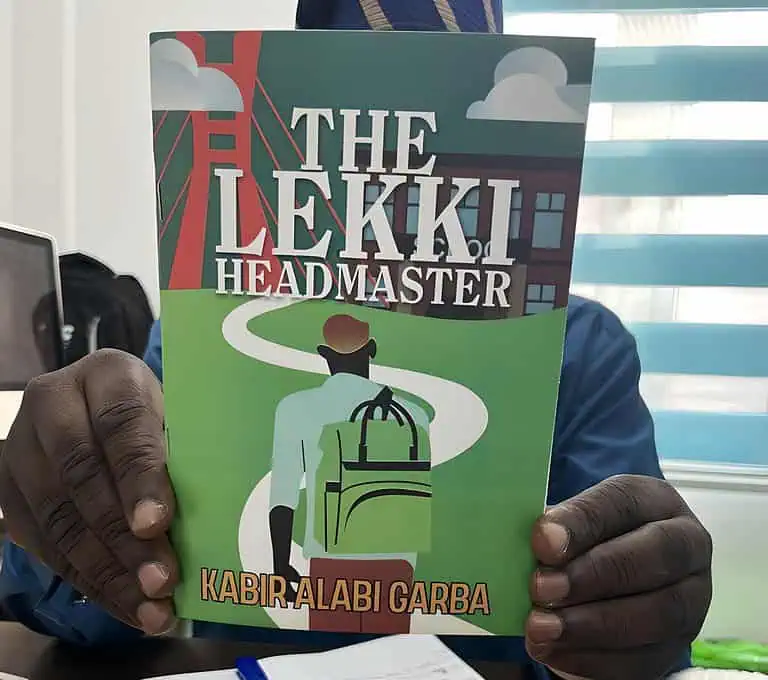
This article includes 50 questions from Chapter 7, Ritualists, in The Lekki Headmaster by Kabir Alabi Garba. Each question has four options, an answer, and a detailed explanation.
The questions focus on important events, characters, and ideas in the chapter. The answers help explain the story.
Try answering the questions first. Then, check the answers and explanations to see how much you’ve learned.
Note: These questions are only for practice and are not part of the UTME.
If you need your real jamb Expo then you have to click here
Lekki Headmaster Sample Questions: Chapter 7— Ritualists
1. What is the main theme of Chapter 7?
a) Friendship
b) Ritualism
c) Education
d) Family
2. Who is the primary character involved in the ritualist activities?
a) Mr. Bepo
b) Jide
c) Ade
d) A mysterious figure
3. How does the community react to the news of ritualists?
a) With indifference
b) With fear and panic
c) With excitement
d) With curiosity
4. What does Mr. Bepo emphasize about the impact of ritualism on society?
a) It is beneficial
b) It is irrelevant
c) It is harmful
d) It is misunderstood
5. What is the setting of the chapter?
a) A school
b) A marketplace
c) A religious site
d) A community center
6. How do the students respond to the rumors of ritualists?
a) They ignore them
b) They are intrigued
c) They are scared
d) They are indifferent
7. What does the chapter suggest about the influence of superstition?
a) It is unimportant
b) It is powerful
c) It is irrelevant
d) It is harmful
8. Who tries to educate the students about the dangers of ritualism?
a) The principal
b) Mr. Bepo
c) A guest speaker
d) A parent
9. What does the community do to address the fear of ritualists?
a) They hold a meeting
b) They ignore it
c) They call the police
d) They spread rumors
10. How does Mr. Bepo feel about the students’ understanding of ritualism?
a) Proud
b) Disappointed
c) Indifferent
d) Confused
11. What does the chapter reveal about the role of education in combating superstition?
a) It is ineffective
b) It is crucial
c) It is irrelevant
d) It is optional
12. How does the principal respond to the concerns about ritualists?
a) With anger
b) With understanding
c) With indifference
d) With confusion
13. What does Mr. Bepo encourage the students to do regarding rumors?
a) To spread them
b) To ignore them
c) To investigate them
d) To believe them
14. How does the chapter portray the relationship between fear and knowledge?
a) They are unrelated
b) Knowledge dispels fear
c) Fear is more powerful
d) They are irrelevant
15. What action does the community take to protect themselves from ritualists?
a) They form a vigilante group
b) They ignore the issue
c) They hold a prayer session
d) They call for police intervention
16. How does Mr. Bepo address the misconceptions about ritualism?
a) By ignoring them
b) By providing facts
c) By spreading rumors
d) By avoiding the topic
17. What does the chapter suggest about the role of parents in educating their children about ritualism?
a) They are unimportant
b) They are crucial
c) They are irrelevant
d) They are optional
18. How does the chapter depict the impact of fear on the community?
a) It unites them
b) It divides them
c) It has no effect
d) It strengthens their beliefs
19. What does Mr. Bepo believe about the importance of critical thinking?
a) It is unnecessary
b) It is vital
c) It is irrelevant
d) It is optional
20. How do the students feel after learning more about ritualism?
a) Empowered
b) Confused
c) Indifferent
d) Scared
21. What does the chapter reveal about the misconceptions surrounding ritualists?
a) They are based on facts
b) They are exaggerated
c) They are irrelevant
d) They are beneficial
22. How does the principal plan to address the issue of ritualism in the school?
a) By ignoring it
b) By holding discussions
c) By expelling students
d) By reducing the curriculum
23. What does Mr. Bepo encourage the students to do when faced with fear?
a) To run away
b) To confront it
c) To ignore it
d) To spread it
24. How does the chapter portray the role of community leaders in addressing fears?
a) They are ineffective
b) They are supportive
c) They are indifferent
d) They are chaotic
25. What does the chapter suggest about the importance of dialogue in dispelling fears?
a) It is unnecessary
b) It is vital
c) It is irrelevant
d) It is optional
26. How does Mr. Bepo feel about the students’ ability to think critically?
a) Proud
b) Disappointed
c) Indifferent
d) Confused
27. What does the chapter reveal about the consequences of ignorance regarding ritualism?
a) They are minimal
b) They are severe
c) They are irrelevant
d) They are beneficial
28. How does the community respond to the fear of ritualists?
a) With unity
b) With division
c) With indifference
d) With confusion
29. What does Mr. Bepo believe about the importance of education in combating superstition?
a) It is unimportant
b) It is crucial
c) It is irrelevant
d) It is optional
30. How does the chapter depict the relationship between knowledge and fear?
a) They are unrelated
b) Knowledge reduces fear
c) Fear is more powerful
d) They are irrelevant
31. What does the principal do to reassure the students about ritualism?
a) Holds a meeting
b) Ignores their concerns
c) Expels students
d) Reduces the curriculum
32. How does Mr. Bepo encourage students to approach rumors about ritualists?
a) With skepticism
b) With belief
c) With indifference
d) With excitement
33. What does the chapter suggest about the role of media in spreading fear?
a) It is unimportant
b) It is powerful
c) It is irrelevant
d) It is beneficial
34. How does the community’s fear of ritualists affect their daily lives?
a) It has no effect
b) It creates tension
c) It unites them
d) It strengthens their beliefs
35. What does Mr. Bepo believe about the importance of addressing fears directly?
a) It is unnecessary
b) It is vital
c) It is irrelevant
d) It is optional
36. How does the chapter portray the impact of fear on decision-making?
a) It enhances it
b) It hinders it
c) It has no effect
d) It strengthens it
37. What does the principal emphasize about the importance of education in the community?
a) It is unimportant
b) It is crucial
c) It is irrelevant
d) It is optional
38. How does Mr. Bepo feel about the students’ engagement in discussions about ritualism?
a) Proud
b) Disappointed
c) Indifferent
d) Confused
39. What does the chapter suggest about the consequences of spreading rumors?
a) They are minimal
b) They are severe
c) They are irrelevant
d) They are beneficial
40. How does the community react to the principal’s efforts to address fears?
a) With support
b) With anger
c) With indifference
d) With confusion
41. What does Mr. Bepo encourage the students to do when faced with misinformation?
a) To spread it
b) To investigate it
c) To ignore it
d) To believe it
42. How does the chapter depict the role of education in shaping perceptions of ritualism?
a) It is unimportant
b) It is crucial
c) It is irrelevant
d) It is optional
43. What does the principal do to promote understanding of ritualism among students?
a) Holds discussions
b) Ignores the issue
c) Expels students
d) Reduces the curriculum
44. How does Mr. Bepo feel about the importance of community involvement in education?
a) Indifferent
b) Supportive
c) Confused
d) Angry
45. What does the chapter reveal about the impact of fear on community cohesion?
a) It strengthens it
b) It weakens it
c) It has no effect
d) It is irrelevant
46. How does the community respond to the principal’s call for unity against fear?
a) With support
b) With anger
c) With indifference
d) With confusion
47. What does Mr. Bepo believe about the importance of critical discussions in education?
a) It is unnecessary
b) It is vital
c) It is irrelevant
d) It is optional
48. How does the chapter portray the relationship between fear and community action?
a) They are unrelated
b) Fear motivates action
c) Fear hinders action
d) They are irrelevant
49. What does the principal emphasize about the role of education in dispelling myths?
a) It is unimportant
b) It is crucial
c) It is irrelevant
d) It is optional
50. How does Mr. Bepo encourage students to approach the topic of ritualism?
a) With skepticism and inquiry
b) With belief and acceptance
c) With indifference
d) With excitement
Lekki Headmaster Questions Chapter 7 Secure Now
Lekki Headmaster Questions Chapter 7 Secure Now
Lekki Headmaster Questions Chapter 7 Secure Now
Lekki Headmaster Questions Chapter 7 Secure Now
Lekki Headmaster Questions Chapter 7 Secure Now
Lekki Headmaster Questions Chapter 7 Secure Now
Lekki Headmaster Questions Chapter 7 Secure Now
Lekki Headmaster Questions Chapter 7 Secure Now
Lekki Headmaster Questions Chapter 7 Secure Now
Lekki Headmaster Questions Chapter 7 Secure Now
Lekki Headmaster Questions Chapter 7 Secure Now
Lekki Headmaster Questions Chapter 7 Secure Now
Lekki Headmaster Questions Chapter 7 Secure Now
Lekki Headmaster Questions Chapter 7 Secure Now
Lekki Headmaster Questions Chapter 7 Secure Now
Lekki Headmaster Questions Chapter 7 Secure Now
Lekki Headmaster Questions Chapter 7 Secure Now
Lekki Headmaster Questions Chapter 7 Secure Now
If you found this post helpful or have any questions, please leave a comment below.