
Lekki Headmaster Questions Chapter 4 Secure Now
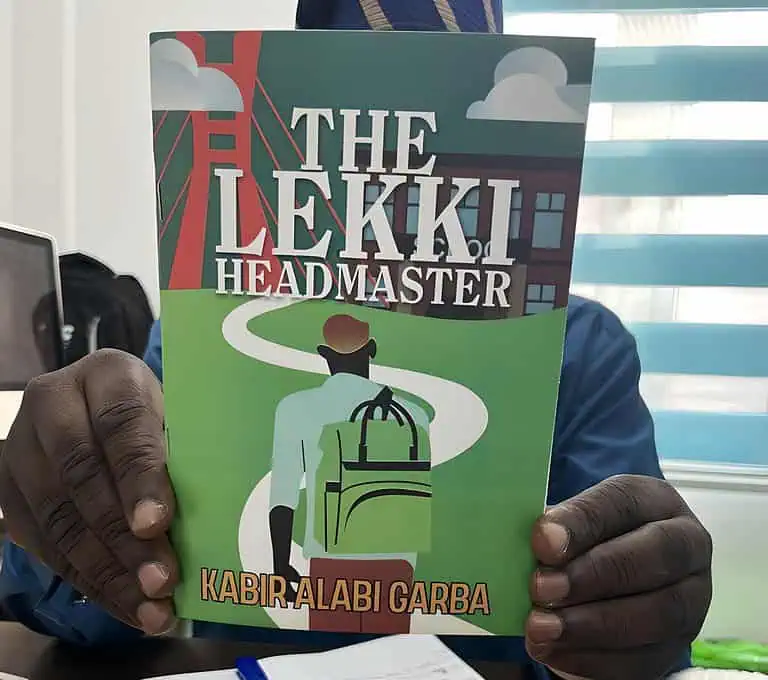
This article contains 50 questions about Chapter 4, A Case of Visa Denied, in The Lekki Headmaster by Kabir Alabi Garba. Each question includes four answer choices, the correct option, and an explanation.
The questions focus on the main events, characters, and themes of the chapter. Explanations make the story easier to understand.
Test yourself by answering first. Then review the answers and explanations to improve your understanding.
Note: These questions are for practice only and will not appear exactly in the UTME.
If you need your real jamb Expo then you have to click here
Lekki Headmaster Sample Questions: Chapter 4 — A Case of Visa Denied
1. What is the main focus of Chapter 4?
a) School events
b) Visa application process
c) Migration stories
d) Family dynamics
2. Who is the main character dealing with a visa issue?
a) Mr. Bepo
b) Mrs. Ibidun Gloss
c) A student
d) A parent
3. What country is the visa application for?
a) Canada
b) United States
c) United Kingdom
d) Australia
4. What is the reason for the visa denial?
a) Incomplete application
b) Lack of funds
c) Criminal record
d) Health issues
5. How does the main character feel about the visa denial?
a) Indifferent
b) Angry
c) Relieved
d) Confused
6. What does Mr. Bepo advise the character to do after the denial?
a) Give up
b) Reapply
c) Travel illegally
d) Seek legal help
7. What is one common reason for visa denials mentioned in the chapter?
a) Lack of travel history
b) Overstaying previous visas
c) Incomplete documentation
d) All of the above
8. How does the character react to the news of the visa denial?
a) With acceptance
b) With frustration
c) With joy
d) With indifference
9. What does the chapter suggest about the emotional impact of visa denials?
a) It is insignificant
b) It can be devastating
c) It is easily overcome
d) It is unimportant
10. How does Mr. Bepo help the character after the visa denial?
a) By providing emotional support
b) By offering financial assistance
c) By helping with the reapplication process
d) By ignoring the issue
11. What does the character learn about the visa application process?
a) It is straightforward
b) It requires careful preparation
c) It is unnecessary
d) It is quick
12. How does the chapter portray the role of immigration consultants?
a) As helpful
b) As unnecessary
c) As harmful
d) As irrelevant
13. What does the character consider doing after the visa denial?
a) Moving to another country
b) Seeking a different visa
c) Staying in Nigeria
d) Ignoring the situation
14. How does the chapter depict the importance of documentation in visa applications?
a) It is unimportant
b) It is crucial
c) It is overrated
d) It is optional
15. What does Mr. Bepo emphasize about the importance of persistence?
a) It is unnecessary
b) It is vital for success
c) It is overrated
d) It is irrelevant
16. How does the character feel about the possibility of reapplying for the visa?
a) Hopeful
b) Discouraged
c) Indifferent
d) Excited
17. What does the chapter suggest about the impact of visa denials on families?
a) It has no effect
b) It can create tension
c) It strengthens bonds
d) It is beneficial
18. How does the character’s family react to the visa denial?
a) They are supportive
b) They are indifferent
c) They are angry
d) They are confused
19. What does Mr. Bepo advise regarding financial preparation for visa applications?
a) It is not necessary
b) It is crucial
c) It is overrated
d) It is optional
20. How does the chapter address the issue of cultural differences in visa applications?
a) It is not important
b) It highlights the challenges
c) It is irrelevant
d) It is easily resolved
21. What does the character learn about the importance of timing in visa applications?
a) It is irrelevant
b) It is crucial
c) It is unimportant
d) It is overrated
22. How does the chapter portray the emotional support from friends during the visa process?
a) It is unnecessary
b) It is vital
c) It is irrelevant
d) It is overrated
23. What does Mr. Bepo suggest about the importance of understanding visa regulations?
a) It is unimportant
b) It is crucial
c) It is optional
d) It is irrelevant
24. How does the character feel about the future after the visa denial?
a) Pessimistic
b) Optimistic
c) Indifferent
d) Confused
25. What does the chapter reveal about the role of government policies in visa applications?
a) They are irrelevant
b) They are complex and changing
c) They are straightforward
d) They are unimportant
26. How does the character’s experience with the visa application process affect their perspective on migration?
a) It makes them more determined
b) It discourages them
c) It has no effect
d) It excites them
27. What does Mr. Bepo emphasize about the importance of networking during the visa process?
a) It is unnecessary
b) It is vital for success
c) It is irrelevant
d) It is overrated
28. How does the chapter address the issue of misinformation regarding visa applications?
a) It is not important
b) It highlights the dangers
c) It is irrelevant
d) It is easily resolved
29. What does the character learn about the importance of patience in the visa process?
a) It is unimportant
b) It is crucial
c) It is overrated
d) It is irrelevant
30. How does the chapter portray the role of emotional resilience in dealing with visa denials?
a) It is unnecessary
b) It is vital
c) It is irrelevant
d) It is overrated
31. What does Mr. Bepo suggest about the importance of thorough research before applying for a visa?
a) It is unimportant
b) It is crucial
c) It is optional
d) It is irrelevant
32. How does the character feel about the support from their community after the visa denial?
a) Indifferent
b) Appreciative
c) Skeptical
d) Angry
33. What does the chapter reveal about the psychological effects of visa denials?
a) They are insignificant
b) They can be profound
c) They are easily overcome
d) They are unimportant
34. How does the chapter address the issue of financial stability in visa applications?
a) It is irrelevant
b) It is crucial
c) It is unimportant
d) It is optional
35. What does Mr. Bepo emphasize about the importance of a strong application?
a) It is unnecessary
b) It is vital for success
c) It is overrated
d) It is irrelevant
36. How does the character’s experience with the visa denial affect their relationships?
a) It strengthens them
b) It creates tension
c) It has no effect
d) It is beneficial
37. What does the chapter suggest about the importance of following up on visa applications?
a) It is unimportant
b) It is crucial
c) It is optional
d) It is irrelevant
38. How does the chapter portray the role of hope in the visa application process?
a) It is unnecessary
b) It is vital
c) It is irrelevant
d) It is overrated
39. What does Mr. Bepo advise regarding the importance of a support system during the visa process?
a) It is unimportant
b) It is crucial
c) It is optional
d) It is irrelevant
40. How does the character feel about the possibility of appealing the visa denial?
a) Hopeful
b) Discouraged
c) Indifferent
d) Excited
41. What does the chapter reveal about the impact of visa denials on future plans?
a) It has no effect
b) It can derail them
c) It strengthens them
d) It is beneficial
42. How does the chapter address the issue of cultural adaptation in the context of visa applications?
a) It is not important
b) It highlights the challenges
c) It is irrelevant
d) It is easily resolved
43. What does Mr. Bepo emphasize about the importance of self-advocacy during the visa process?
a) It is unnecessary
b) It is vital
c) It is irrelevant
d) It is overrated
44. How does the character feel about the support from their family after the visa denial?
a) Indifferent
b) Appreciative
c) Skeptical
d) Angry
45. What does the chapter suggest about the importance of understanding visa requirements?
a) It is unimportant
b) It is crucial
c) It is optional
d) It is irrelevant
46. How does the chapter portray the emotional journey of dealing with a visa denial?
a) It is insignificant
b) It is complex and challenging
c) It is straightforward
d) It is unimportant
47. What does Mr. Bepo advise regarding the importance of documentation in future applications?
a) It is unimportant
b) It is crucial
c) It is optional
d) It is irrelevant
48. How does the character feel about the possibility of starting over after the visa denial?
a) Hopeful
b) Discouraged
c) Indifferent
d) Excited
49. What does the chapter reveal about the long-term effects of visa denials on individuals?
a) They are insignificant
b) They can be profound
c) They are easily overcome
d) They are unimportant
50. How does the chapter address the issue of resilience in the face of visa challenges?
a) It is unnecessary
b) It is vital
c) It is irrelevant
d) It is overrated
Lekki Headmaster Questions Chapter 4 Secure Now
Lekki Headmaster Questions Chapter 4 Secure Now
Lekki Headmaster Questions Chapter 4 Secure Now
Lekki Headmaster Questions Chapter 4 Secure Now
Lekki Headmaster Questions Chapter 4 Secure Now
Lekki Headmaster Questions Chapter 4 Secure Now
Lekki Headmaster Questions Chapter 4 Secure Now
Lekki Headmaster Questions Chapter 4 Secure Now
Lekki Headmaster Questions Chapter 4 Secure Now
Lekki Headmaster Questions Chapter 4 Secure Now
Lekki Headmaster Questions Chapter 4 Secure Now
Lekki Headmaster Questions Chapter 4 Secure Now
Lekki Headmaster Questions Chapter 4 Secure Now
Lekki Headmaster Questions Chapter 4 Secure Now
Lekki Headmaster Questions Chapter 4 Secure Now
Lekki Headmaster Questions Chapter 4 Secure Now
Lekki Headmaster Questions Chapter 4 Secure Now
Lekki Headmaster Questions Chapter 4 Secure Now
Lekki Headmaster Questions Chapter 4 Secure Now
Lekki Headmaster Questions Chapter 4 Secure Now
Wow but which 10 questions will the novel lekki headmaster ask