
Waec 2026 Economics Questions and Answers
Welcome To EXAMRUNZ.COM – The Most Trusted, Verified & Legit Source for Waec 2026 Economics Questions and Answers

EXAMRUNZ.COM – Authentic Distributors of Exam Questions And Answers. Provides Waec 2026 Economics Questions and Answers To our Subscribed (Paid) Candidates Before Exam
Wednesday, 17th June 2026
Economics 2 (Essay) 2:00pm – 4:00pm
Economics 1 (Objective) 4:00pm – 5:00pm
ECONOMICS OBJ:
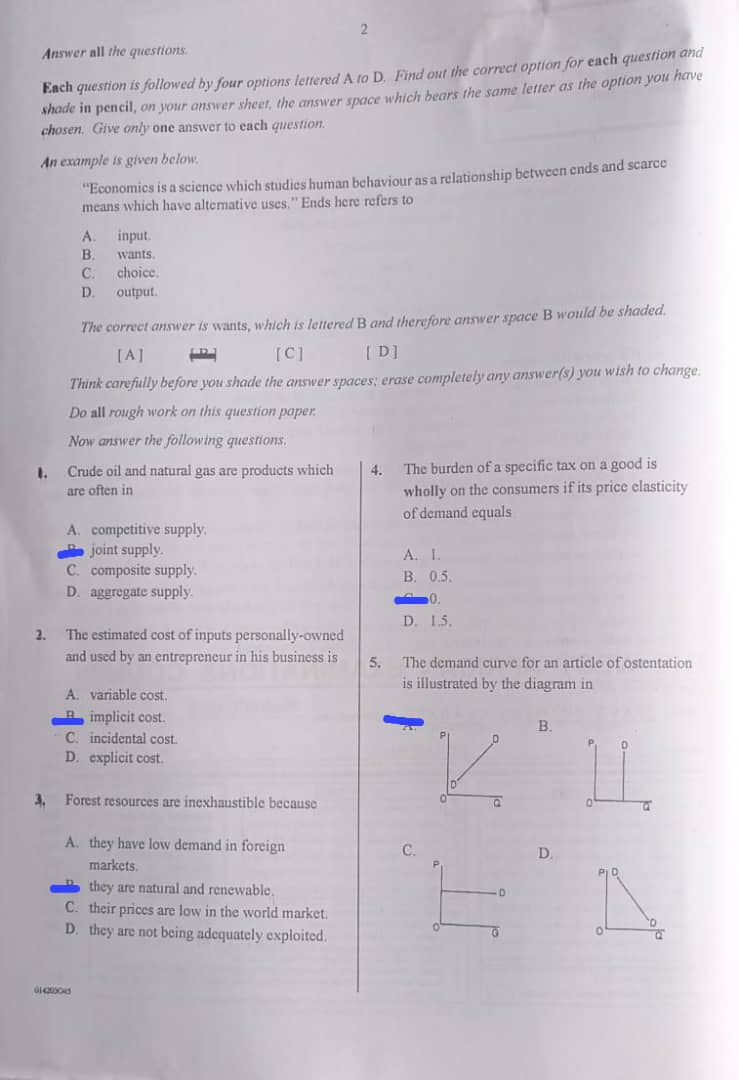
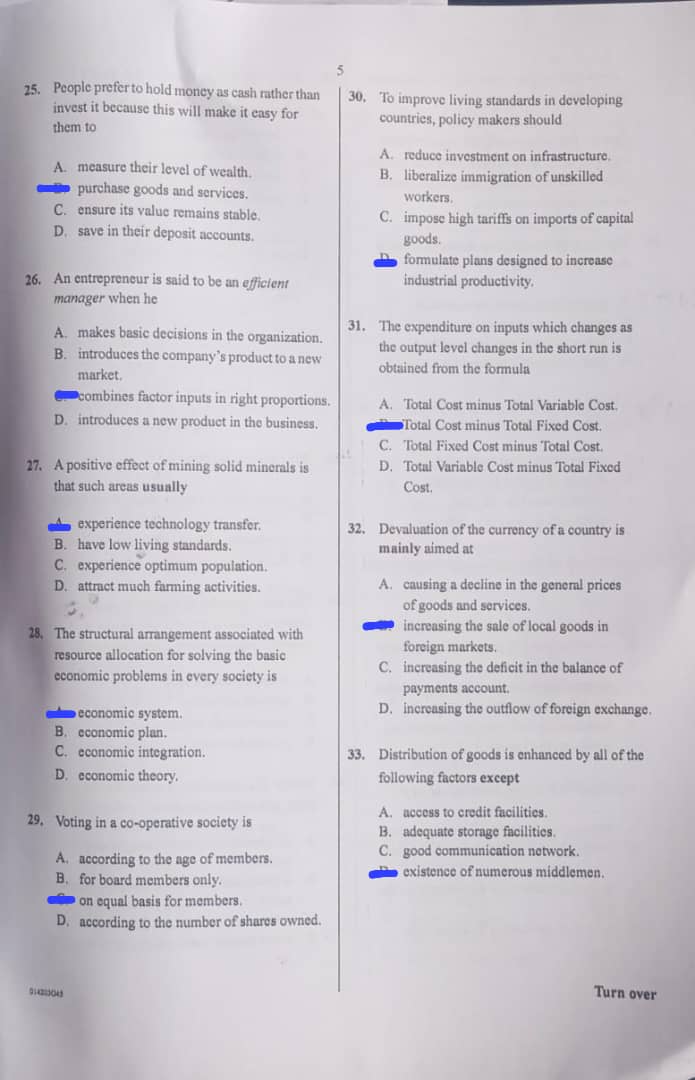
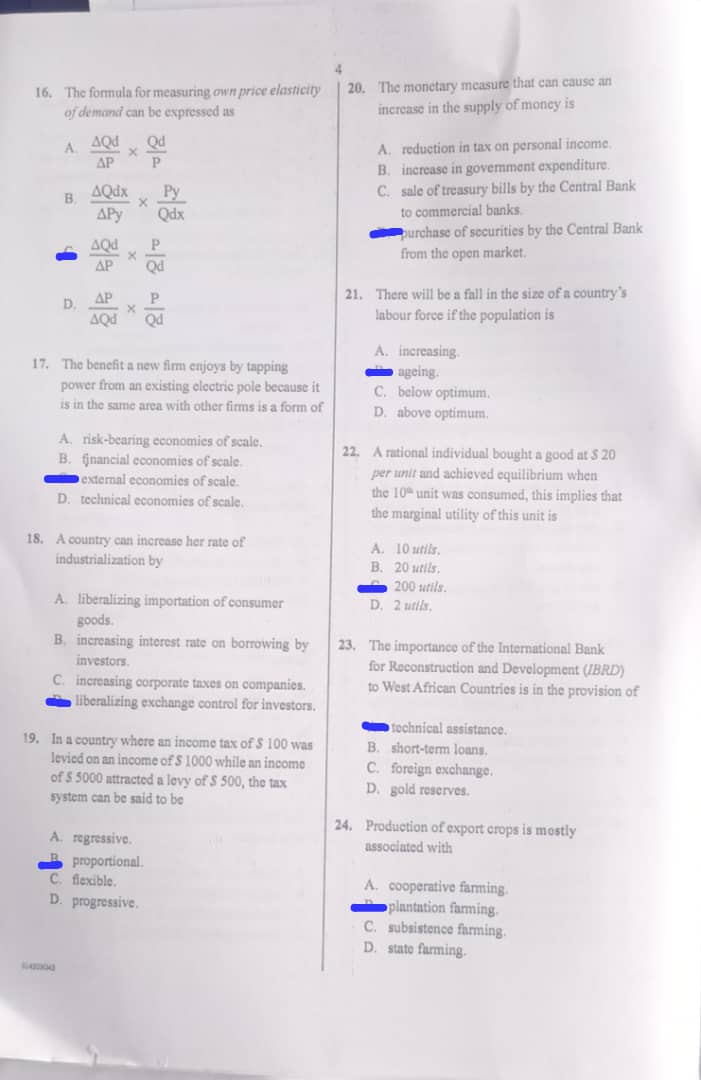
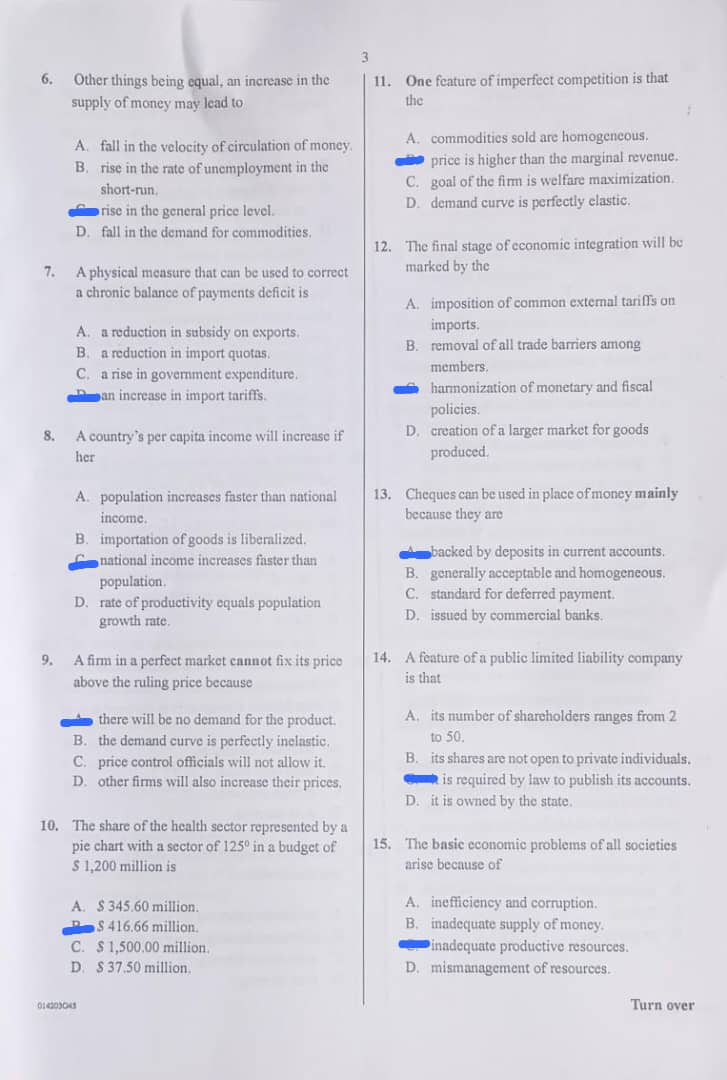
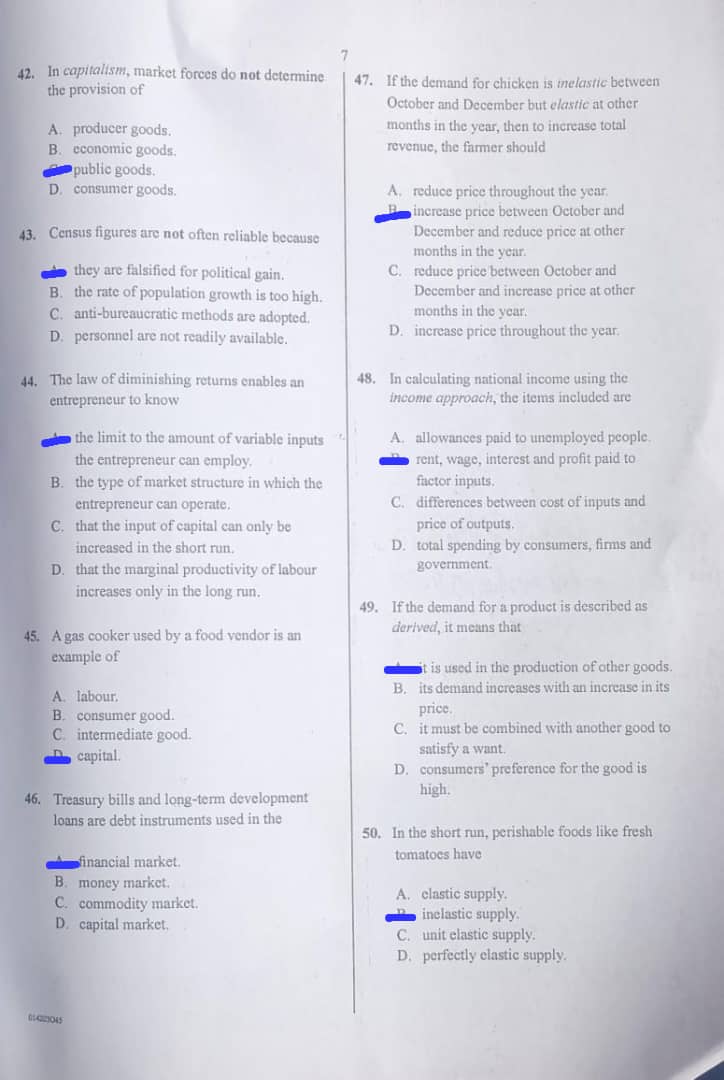
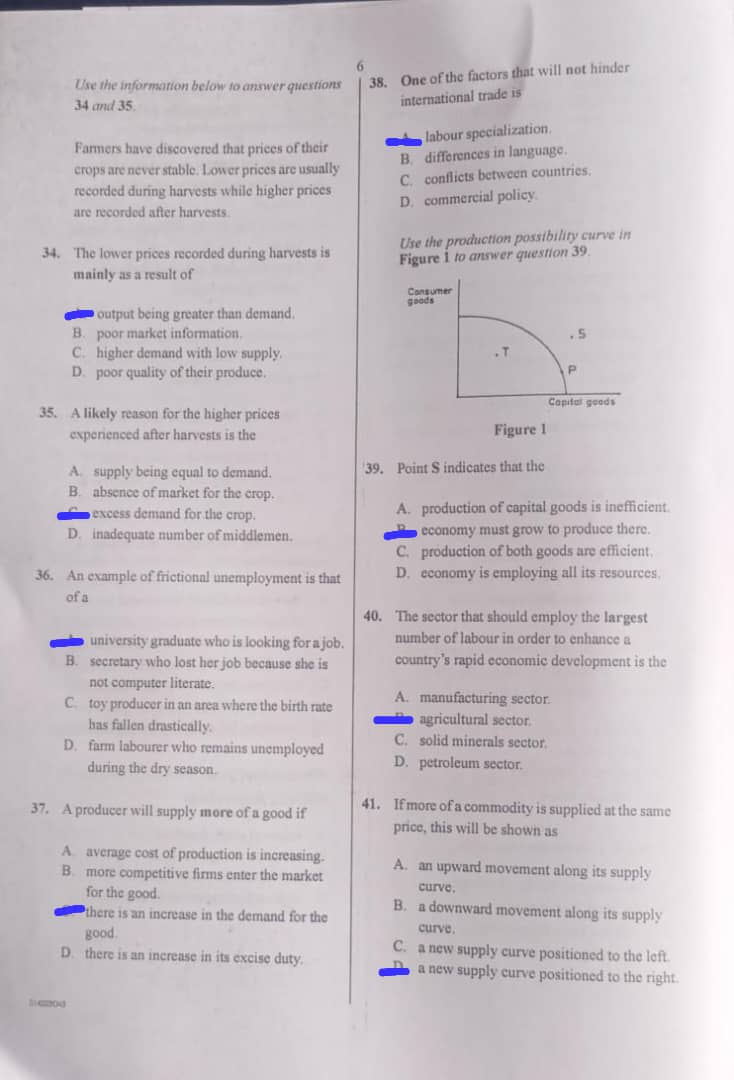
Waec 2026 Economics Questions and Answers
NUMBER 1
(1ai)
The consumer at the point of saturation:
Qx = 5 units
(At this point, MU = 0)
(1aii)
Marginal utility of X (MUx) declining but positive:
Qx = 1 to 4 units
(MU is falling but remains above zero)
(1aiii)
Total utility of X (TUx) decreasing:
Qx = 6 to 7 units
(MU becomes negative, causing TU to fall)
(1aiv)
Total utility of X (TUx) at maximum:
Qx = 5 units
(TU is maximum when MU = 0)
(1b)
(i) Law of Diminishing Marginal Utility.
(ii) Law of Equi-Marginal Utility (Consumer Equilibrium).
(1ci)
At 1 unit of commodity X, the marginal utility is 6 utils while the price is $4. Since the marginal utility is greater than the price, the consumer should increase the consumption of commodity X. This is because additional units will still provide satisfaction greater than the amount paid. The consumer will continue consuming until marginal utility equals price (MU = P).
(1cii)
At 4 units of commodity X, the marginal utility is 2 utils while the price is $4. Since the marginal utility is less than the price, the consumer should reduce the consumption of commodity X. This is because the satisfaction obtained from the commodity is less than the amount paid for it. The consumer should reduce consumption until marginal utility equals price (MU = P), which is the equilibrium position.
Waec 2026 Economics Questions and Answers
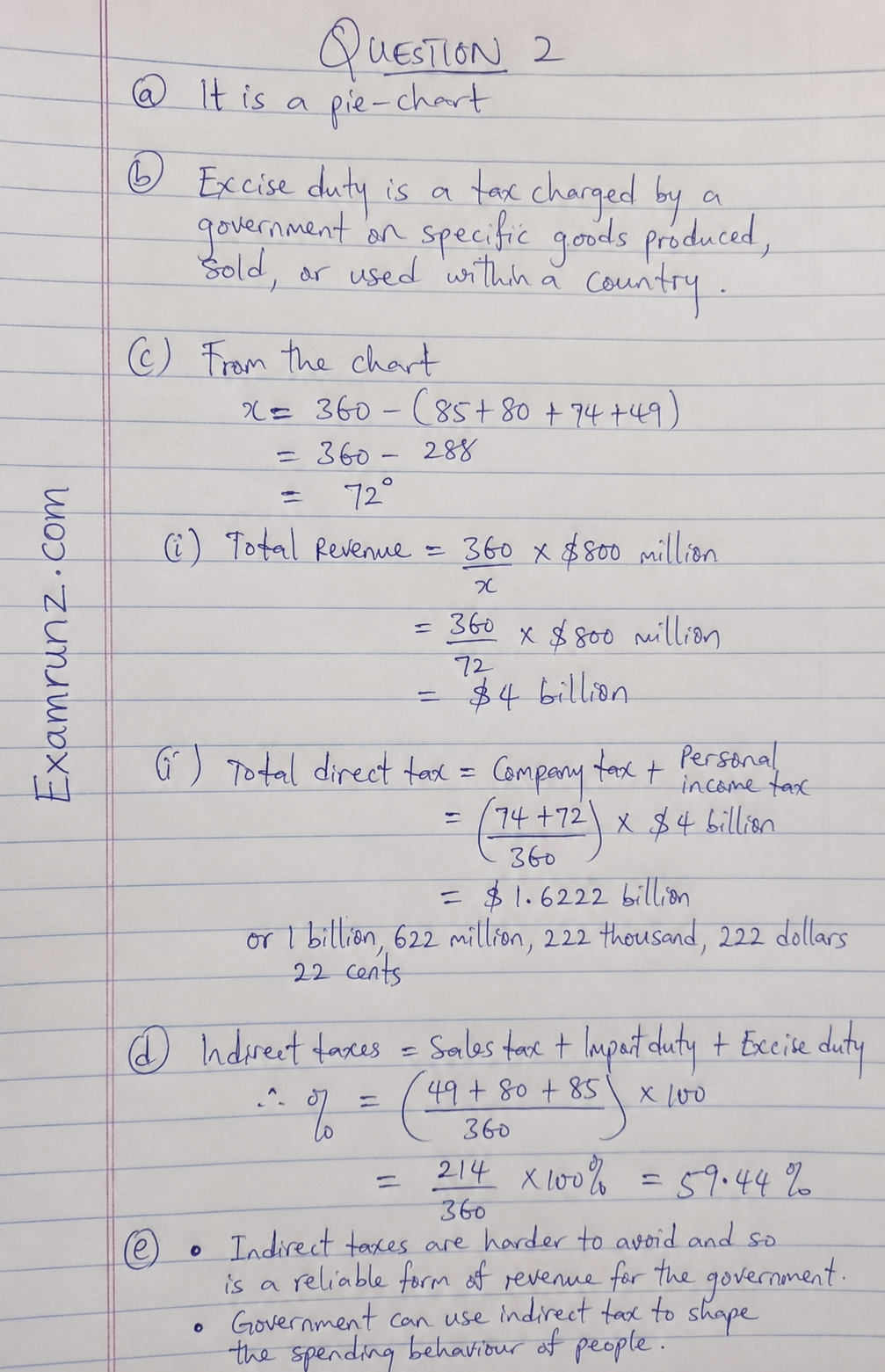
NUMBER 2
NUMBER 3
(3a)
(PICK ANY ONE)
A scale of preference is a list of wants arranged in order of importance. It is important because it helps an individual to rank wants according to their urgency and satisfy the most important ones first since resources are limited and cannot satisfy all wants at the same time. It also enables the individual to use available income and resources wisely, avoid wasteful spending, and obtain maximum satisfaction from the resources available.
OR
A scale of preference is a list of wants arranged in order of priority. It is important because it guides an individual in making choices among competing wants and helps him to decide which wants should be satisfied first. Since resources such as income, time, and energy are limited, a scale of preference enables the individual to allocate these resources efficiently and achieve the greatest possible satisfaction from the available resources.
(3b)
(PICK ANY ONE)
Basic concepts of Economics are the fundamental principles that explain how scarce resources are allocated to satisfy human wants. These concepts include scarcity, choice, opportunity cost, demand, supply, production, consumption, and price. Knowledge of these concepts helps a producer to understand how resources can be used efficiently in the production process. It enables the producer to make sound decisions on what to produce, how much to produce, and the methods of production to adopt. It also helps the producer to understand market demand, consumer behaviour, costs, prices, and profit, thereby reducing waste and increasing productivity and profitability.
OR
Basic concepts of Economics are the basic ideas that explain how individuals and firms make decisions in the face of limited resources and unlimited wants. These concepts include scarcity, choice, opportunity cost, demand, supply, and production. Knowledge of these concepts helps a producer to combine the available factors of production effectively and make rational business decisions. It enables the producer to determine the type and quantity of goods to produce, estimate production costs, and set appropriate prices. Such knowledge also helps the producer to respond to changes in demand and supply, minimize losses, increase output, and maximize profit.
(3c)
(PICK ANY FOUR)
(i) Increase in the price of the commodity: An increase in the price of a commodity serves as an incentive to producers because it enables them to earn more revenue and profit. As a result, existing producers expand their output while new producers may enter the industry, leading to an increase in supply.
(ii) Reduction in the cost of production: When the cost of production falls due to lower wages, cheaper raw materials, reduced transport costs, or lower taxes, producers can produce more goods at a lower cost. This encourages them to increase production and supply more commodities to the market.
(iii) Improvement in technology: The introduction of modern machines, improved production methods, and advanced technology increases productivity and efficiency. Producers can therefore produce larger quantities of goods within a shorter period and at a lower cost, resulting in increased supply.
(iv) Availability of adequate capital: Adequate capital enables producers to purchase more machinery, employ additional labour, acquire sufficient raw materials, and expand their scale of production. This increase in productive capacity leads to a higher supply of commodities.
(v) Government subsidies and favourable government policies: Government assistance such as subsidies, grants, tax relief, and low-interest loans reduces the cost of production and encourages producers to expand their operations. Favourable government policies create a conducive business environment that promotes increased supply.
(vi) Availability of raw materials: Raw materials are essential inputs in the production process. When they are readily available and affordable, production can continue without interruption. This enables producers to increase output and supply more goods to the market.
===============================
Waec 2026 Economics Questions and Answers
[VERSION II]
(3a)
(PICK ANY ONE)
A scale of preference is important to an individual because it helps him or her to arrange wants in order of priority according to their importance. Since human wants are unlimited while resources are limited, a scale of preference enables an individual to make rational choices and allocate available resources efficiently. It also helps to avoid wasteful spending and ensures that the most urgent wants are satisfied first.
OR
A scale of preference is important to an individual because it helps to arrange wants in order of priority. Since resources are scarce and human wants are numerous, an individual cannot satisfy all wants at the same time. Therefore, a scale of preference helps in making choices among alternatives, enables the satisfaction of urgent wants before less urgent ones, promotes the efficient allocation of scarce resources, and helps to achieve maximum satisfaction from available resources.
OR
A scale of preference is important to an individual because it helps an individual to rank wants in order of importance. Since resources are limited and wants are unlimited, it enables the satisfaction of the most pressing wants first. It also assists in making rational decisions and choices among competing wants. It ensures efficient use of scarce resources and helps to avoid waste and unnecessary expenditure. As a result, the individual is able to make the best use of available resources.
(3b)
(PICK ANY ONE)
The knowledge of the basic concepts of economics can help a producer in many ways. It helps the producer to make rational decisions on what to produce, how to produce, and for whom to produce. It also enables the producer to allocate scarce resources efficiently in order to maximize profit. Knowledge of economics helps the producer to determine the level of demand for goods and services, set appropriate prices, reduce production costs, and avoid waste. It assists the producer in planning production, utilizing resources effectively, and responding to changes in market conditions.
OR
The knowledge of the basic concepts of economics is important to a producer because it helps in making rational decisions concerning production. It enables the producer to allocate scarce resources efficiently and determine the level of demand for goods and services. Such knowledge also assists in fixing appropriate prices, minimizing production costs, and maximizing profit. In addition, it promotes efficient utilization of available resources, helps in planning and organizing production activities, and enables the producer to respond effectively to changes in market conditions.
(3c)
(PICK ANY FOUR)
(i) Availability of adequate capital: When producers have access to sufficient funds, they can purchase more machinery, employ more workers, and acquire additional raw materials, thereby increasing the quantity of goods supplied.
(ii) Technological advancement: The adoption of modern technology and improved production techniques increases efficiency and output, enabling producers to supply more goods within a given period.
(iii) Availability of raw materials:A steady and adequate supply of raw materials ensures uninterrupted production and allows producers to increase the quantity of goods supplied to the market.
(iv)Government assistance:
Government measures such as subsidies, grants, tax concessions, and low-interest loans reduce production costs and encourage producers to expand their output.
(v) Availability of skilled labour: Skilled workers perform their tasks more efficiently and productively, leading to higher output and an increase in the supply of goods.
(vi) Favourable weather conditions: Good weather promotes agricultural production by improving crop yields and livestock performance, thereby increasing the supply of agricultural commodities.
Waec 2026 Economics Questions and Answers
NUMBER 4
(4ai)
Consumer goods are goods purchased and used directly by consumers to satisfy their wants.E.g: Bread, clothing, television, or soap. WHILE Producer goods are goods used in the production of other goods and services. They help in further production rather than direct consumption.E.g: Machines, tractors, factory equipment, or industrial tools.
(4aii)
Primary production involves the extraction or exploitation of natural resources from the land, sea, or forest.E.g:Farming, fishing, mining, and forestry. WHILE Tertiary production involves the provision of services that facilitate production and distribution of goods. E.g: Banking, transportation, insurance, communication, and warehousing.
(4bi)
Fixed Capital: Fixed capital refers to durable assets that are used repeatedly in the production process over a long period of time. These assets are not completely used up in a single production cycle and cannot be easily converted into cash. Example: Factory buildings, machines, vehicles and equipment.
(4bii)
Working Capital: Working capital refers to the funds and materials used for the day-to-day running of a business. It consists of assets that are used up during the production process and must be replaced regularly.Example: Cash, raw materials, fuel, and stock of goods.
(4biii)
Social Capital: Social capital refers to the basic infrastructure and public facilities provided by the government or society to support production and improve the welfare of the people. These facilities help businesses operate efficiently and promote economic development.Example: Roads, electricity, hospitals, schools, and communication networks.
===============================
[VERSION II]
(4ai)
Consumer goods are goods that are purchased for final use by individuals to satisfy their wants directly.E.g: Food, shoes and soft drinks. WHILE Producer goods are goods that are used by firms and producers in the production of other goods and services.E.g: generators, tractors, and factory equipment.
(4aii)
Primary production is the process of obtaining raw materials directly from nature for use or further production. Example: Mining of coal, fishing, farming, and lumbering. WHILE Tertiary production is concerned with rendering services that assist the production and distribution of goods. Example: Banking, transport, insurance, and telecommunication services.
(4bi)
Fixed Capital: Fixed capital consists of assets that are used continuously in production for many years and are not meant for immediate sale. They help in the production process but are not completely consumed at once.Example: Buildings, machines, motor vehicles, and factory equipment.
(4bii)
Working Capital: Working capital refers to the money and materials required for the daily operation of a business. It includes resources that are regularly used up and replaced in the production process. Example: Cash in hand, raw materials, fuel, and goods for resale.
(4biii)
Social Capital: Social capital refers to the public amenities and infrastructural facilities provided by the government to facilitate production and improve living standards in the economy. Example: good roads, electricity supply, water systems, railways, hospitals, and schools.
=============================
[VERSION III]
(4ai)
(PICK ANY ONE)
Consumer goods are goods and services purchased by individuals and households for direct use in satisfying their wants. They are final goods which are not meant for further production but are consumed directly by the users to obtain satisfaction. Examples of consumer goods include bread, clothes, shoes and television sets. In the other hand, Producer goods are goods used in the production of other goods and services. They are not purchased for direct consumption but are acquired by producers to aid and facilitate the production process. Examples of producer goods include machines, tractors, factory equipment and tools.
OR
Consumer goods are final goods acquired by consumers for personal use and immediate satisfaction of their needs and wants. Such goods are used directly by the consumers and are not intended to assist in the production of other goods and services. Examples include bread, clothes, shoes and television sets. Meanwhile, Producer goods are capital goods purchased by firms and producers for the purpose of producing other goods and services. These goods help to increase productivity and efficiency in production rather than providing direct satisfaction to consumers. Examples include machines, tractors, factory equipment and tools.
(4aii)
(PICK ANY ONE)
Primary production refers to economic activities that involve the extraction, cultivation or exploitation of natural resources directly from the environment. It is the first stage of production and provides raw materials for other sectors of the economy. Examples include farming, fishing, forestry and mining.
In the other hand, Tertiary production refers to economic activities concerned with the provision of services rather than the production of tangible goods. These services facilitate production, distribution and consumption and contribute significantly to economic development. Examples include banking, transportation, insurance and communication.
OR
Primary production is the process through which man obtains raw materials directly from nature for further production and consumption. It involves activities that make use of land and natural resources to produce goods needed by industries and consumers. Examples include farming, fishing, forestry and mining.
Tertiary production involves the rendering of services to individuals, firms and governments to support economic activities and improve efficiency in the economy. It does not involve the production of physical goods but focuses on providing essential services. Examples include banking, transportation, insurance and communication.
(4bi)
(PICK ANY ONE)
Fixed capital refers to durable assets that are used repeatedly in the production process over a long period of time. These assets are not completely used up in one production cycle and continue to assist production for many years. Examples include factory buildings, machinery, vehicles and generators.
OR
Fixed capital is the portion of capital invested in long-lasting assets that help in the production of goods and services. Such assets remain in the business for a long period and are used continuously without being consumed immediately. Examples include factory buildings, machinery, vehicles and generators.
(4bii)
(PICK ANY ONE)
Working capital refers to the capital used for the day-to-day running of a business. It consists of assets that are regularly used up and replaced during the production process to ensure the smooth operation of the business. Examples include cash, raw materials, fuel and stock of goods.
OR
Working capital is the capital available for meeting the short-term operational needs of a business enterprise. It comprises resources that are constantly consumed and replenished in the course of production and distribution. Examples include cash, raw materials, fuel and stock of goods.
(4biii)
(PICK ANY ONE)
Social capital refers to the basic infrastructure and public facilities provided by the government or society to support production and improve the welfare of the people. These facilities create an enabling environment for economic activities and national development. Examples include roads, electricity supply, water supply, schools and hospitals.
OR
Social capital consists of social overhead facilities and amenities provided for the benefit of the entire society. These facilities assist production, promote economic growth and improve the standard of living of the people. Examples include roads, electricity supply, water supply, schools and hospitals.
Waec 2026 Economics Questions and Answers
NUMBER 5
(5a)
(PICK ANY ONE)
A firm is a business unit that produces goods or services. It may be owned by one person or a group of people. An industry, on the other hand, is made up of all the firms producing the same or similar products. For example, a bakery is a firm, while all bakeries together form the baking industry.
OR
A firm refers to a single business organization engaged in production or distribution activities with the aim of making profit. An industry consists of a group of firms involved in the production of similar goods or services. For instance, a textile company is a firm, whereas all textile companies together constitute the textile industry.
(5b)
(i) Public Limited Liability Company
(ii) Sole Proprietorship
(iii) Sole Proprietorship
(iv) Public Limited Liability Company
(v) Partnership
(vi) Public Limited Liability Company
(vii) Partnership
(viii) Public Limited Liability Company
(5c)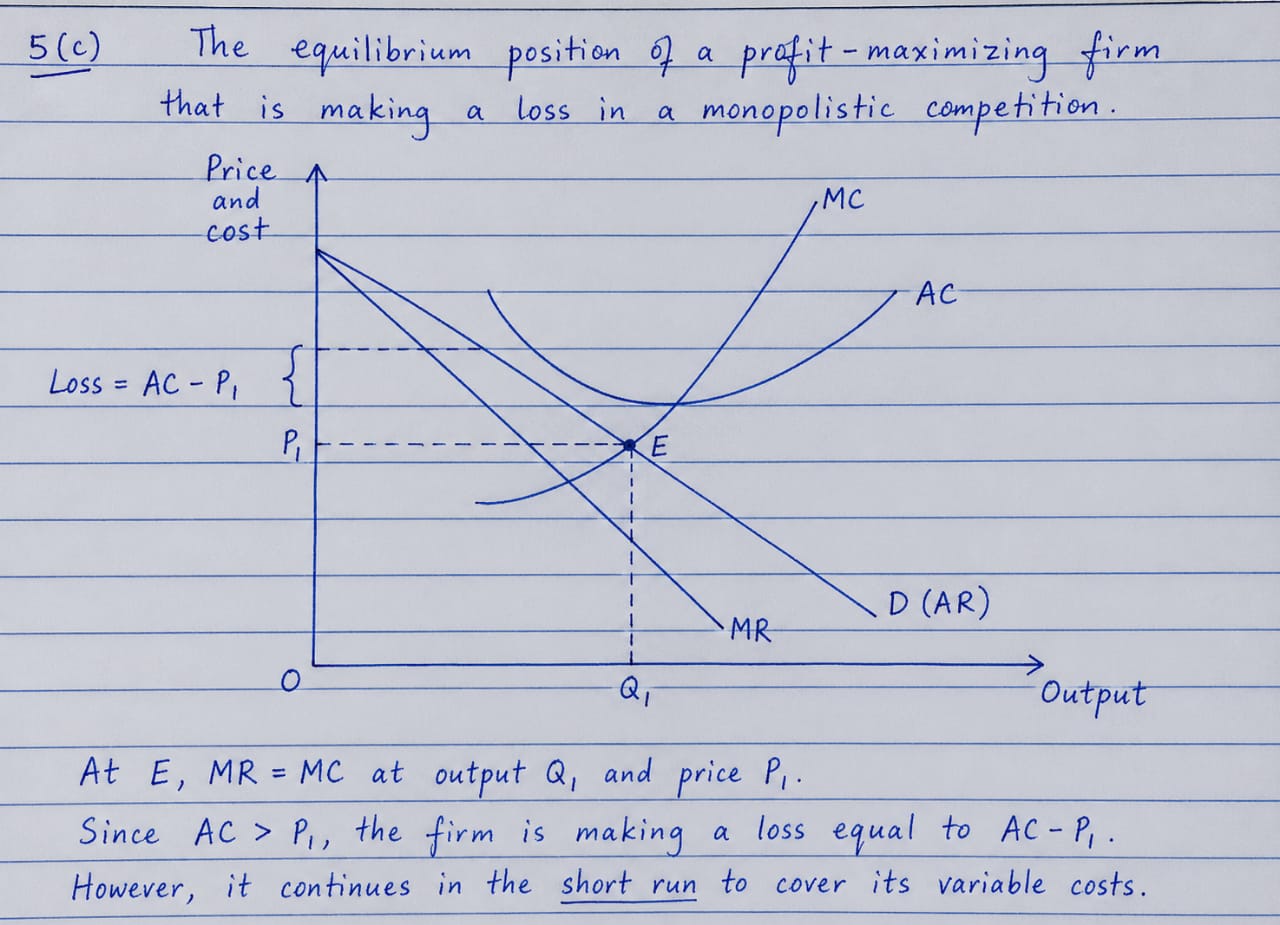
NUMBER 6
(6a)
(PICK ANY ONE)
Industrialization can be defined as the process by which a country develops manufacturing industries and increases the production of goods through the use of modern technology, machinery, and large-scale production methods. It contributes to employment creation and economic growth.
OR
Industrialization refers to the establishment and expansion of industries in a country through the use of machines, skilled labour, capital, and modern production techniques. It leads to increased output, higher income, improved standards of living, and overall economic development.
(6b)
Location of industry refers to the particular place or site where an industry is established and carries out its production activities. The choice of location is influenced by factors such as raw materials, labour, power supply, and market. For example, A cement factory located at Ewekoro in Ogun State because of the availability of limestone. WHILE Localization of industry refers to the concentration of many firms producing the same or related products in a particular area. This enables firms to enjoy advantages such as a large labour force, specialized services, and shared facilities.For example, The concentration of textile industries in Anambra or automobile industries in Detroit, USA
(6c)
(i)Sawmill: A sawmill should be located near the forest or source of timber. This is because timber is the major raw material required for production, and locating the sawmill close to the forest reduces transportation costs and ensures a regular supply of logs for processing. For Example, A sawmill may be located in forest-rich areas such as Ondo State or Cross River State.
(ii)A ceramic tile producing factory : ceramic tile producing factory should be located near the source of clay and other raw materials. This is because clay is the major raw material used in the production of ceramic tiles, and locating the factory close to the raw material source reduces transportation costs and ensures continuous production. For Example, A ceramic tile factory may be located in areas where clay deposits are abundant, such as parts of Kogi State or Ogun State
(iii)An egg-producing poultry farm: An egg-producing poultry farm should be located near a large market or urban centre. This is because eggs are highly perishable and need to be sold quickly to consumers. Locating the farm close to the market reduces transportation costs and minimizes spoilage. For Example, An egg-producing poultry farm may be located near cities such as Lagos, Abuja, or Benin City where demand for eggs is high.
=====================
[VERSION II]
(6a)
(PICK ANY ONE)
Industrialization is the process by which a country develops industries and increases the production of goods through the use of machines, technology, and factories. It leads to economic growth and improved living standards.
OR
Industrialization refers to the transformation of an economy from one that depends mainly on agriculture to one based largely on manufacturing and industrial activities through the establishment of factories and modern production methods.
(6b)
(PICK ANY ONE)
Location of industry refers to the siting of an industry in a particular place or area while localization of industry refers to the concentration of many firms producing the same product in one geographical area.
OR
Location of industry is the choice of a suitable site where a firm is established while localization of industry occurs when several firms engaged in the same line of production are grouped together in a particular region.
(6c)
(i) A sawmill: A sawmill should be located near a forest or source of timber. This reduces the cost of transporting bulky logs and ensures a steady supply of raw materials.
(ii) A ceramic tile producing factory: A ceramic tile factory should be located near deposits of clay and other necessary minerals. This minimizes transportation costs and guarantees easy access to raw materials.
(iii) An egg-producing poultry farm: An egg-producing poultry farm should be located close to urban centres or major markets. This ensures quick distribution of eggs, reduces spoilage, and lowers transportation costs.
Waec 2026 Economics Questions and Answers
NUMBER 7
(7a)
Economic growth is an increase in the production of goods and services, while economic development involves improvements in the welfare and standard of living of the people. In Country X, GDP increased from $80 billion to over $100 billion, indicating economic growth. However, because poverty and unemployment remained high and per capita income was low, the benefits of growth did not significantly improve the welfare of the people.
(7b)
Economic growth can improve the standard of living by increasing income, employment opportunities, and the availability of goods and services. However, in Country X, despite the increase in GDP, poverty and unemployment remained high and per capita income was low. As a result, the standard of living of many citizens did not improve significantly.
(7c)
(PICK ANY FOUR)
(i) Inadequate funding of the economic plan: The government may not have provided enough money to finance the projects and programmes contained in the plan, leading to poor implementation. This would make it difficult to complete development projects as scheduled.
(ii) Corruption and embezzlement of public funds: Funds meant for the execution of the plan may have been diverted or misused by public officials, thereby affecting its success. As a result, many projects may remain unfinished or abandoned.
(iii) Poor planning and implementation of government policies: The plan may have lacked clear objectives and proper coordination, making it difficult to achieve the desired results. This can lead to wastage of resources and failure to meet development targets.
(iv) Political instability and frequent policy changes: Changes in government or government policies can disrupt the continuity of development programmes and hinder their implementation. New administrations may abandon projects started by previous governments.
(v) Shortage of skilled manpower and technical expertise: The absence of qualified personnel to manage and execute projects can reduce the effectiveness of the economic plan. This may result in delays and poor-quality project execution.
(vi) Inadequate infrastructure: Poor roads, irregular electricity supply, and weak communication networks can make the implementation of development projects difficult and costly. This can discourage investment and slow down economic activities.
Waec 2026 Economics Questions and Answers
NUMBER 8
(8ai)
Import Quotas: Import quotas are government-imposed limits on the quantity or value of particular goods that can be imported into a country within a given period. They are used to protect local industries from excessive foreign competition.
(8aii)
Embargo: Embargo is a government order that completely prohibits or restricts trade with a particular country or the importation/exportation of certain goods. It is often imposed for political, economic, or security reasons.
(8aiii)
Import Licences: Import licences are official permits issued by the government authorizing individuals or firms to import specified goods into a country. They help regulate the volume and type of goods imported.
(8aiv)
Foreign Exchange Control: Foreign exchange control refers to government regulations that control the buying, selling, and use of foreign currencies. It is aimed at conserving foreign exchange and regulating international trade transactions.
(8b)
(PICK ANY THREE)
(i) Provision of export subsidies: The government can provide financial assistance to exporters to reduce production costs. This encourages producers to increase the quantity of goods available for export. It also enables local products to compete favourably in foreign markets.
(ii) Improvement of transportation facilities: Good roads, railways, airports, and seaports facilitate the movement of goods to foreign markets. This reduces delays and transportation costs. It also ensures that export products reach buyers in good condition and on time.
(iii) Provision of credit facilities: Banks and other financial institutions can grant loans to exporters at favourable terms. This enables them to expand production and meet export demands. Adequate finance also helps exporters purchase modern equipment and improve productivity.
(iv) Reduction or removal of export duties and taxes: Lower taxes reduce the cost of exporting goods and increase the profits of exporters. This serves as an incentive to produce more for export. It also encourages firms to explore new international markets.
(v) Improvement in product quality: Export products should meet international standards in quality and packaging. High-quality goods attract more foreign buyers and increase export earnings. They also enhance the reputation of the country in world trade.
(vi) Establishment of export promotion agencies: These agencies provide information, training, and assistance to exporters. They also help producers identify and access foreign markets. In addition, they advise exporters on international trade regulations and opportunities.
(vii) Participation in international trade fairs and exhibitions: Trade fairs enable exporters to display and advertise their products to potential foreign customers. This helps to create new markets and increase sales abroad. It also promotes business contacts between local producers and foreign buyers.
(viii) Maintenance of favourable trade and exchange rate policies: Supportive government policies and stable exchange rates encourage export activities. They make locally produced goods more competitive in international markets. This can lead to increased foreign exchange earnings and economic growth.
=====================
- Waec 2026 Economics Questions and Answers
[VERSION II]
(8ai)
(PICK ANY ONE)
Import quotas are government-imposed restrictions on the quantity or value of goods that may be imported into a country within a specified period. By limiting the volume of imports, import quotas help to protect domestic industries from foreign competition, reduce pressure on foreign exchange reserves and encourage the consumption of locally produced goods.
OR
Import quotas refer to the maximum amount of a particular commodity that the government permits to be imported into a country during a given period. They are used as a trade control measure to regulate imports, protect local producers and correct balance of payments problems.
(8aii)
(PICK ANY ONE)
An embargo is a complete ban or prohibition placed by a government on the importation or exportation of certain goods or on all trade with a particular country. It is usually imposed for political, economic, military or security reasons and may be used to influence the policies or actions of another country.
OR
An embargo refers to a situation where a government totally restricts trade activities involving specific goods or a particular nation. The aim may be to protect national interests, enforce international sanctions or prevent the movement of strategic goods.
(8aiii)
(PICK ANY ONE)
Import licences are official documents or permits issued by the government authorizing individuals or firms to import specified goods into a country. They enable the government to monitor and regulate imports, control the quantity and type of goods entering the country and ensure compliance with trade regulations.
OR
Import licences are legal authorizations granted by appropriate government agencies allowing importers to bring certain goods into a country under stated conditions. They serve as a means of controlling imports, protecting local industries and preventing the importation of prohibited goods.
(8aiv)
(PICK ANY ONE)
Foreign exchange control refers to the system through which the government or central bank regulates the purchase, sale and use of foreign currencies within a country. It is designed to conserve scarce foreign exchange resources, ensure their efficient allocation and maintain stability in the country’s external sector.
OR
Foreign exchange control is a government policy aimed at supervising and regulating foreign exchange transactions. Through this system, the authorities determine how foreign currencies are obtained and used in order to prevent excessive capital flight, promote economic stability and safeguard the balance of payments.
(8b)
(PICK ANY THREE)
(i) Providing export subsidies to exporters: This helps to reduce production costs and encourage greater exportation. It also enables local producers to compete more effectively in foreign markets.
(ii) Granting tax reliefs and tax holidays to export-oriented industries: This increases their profitability and competitiveness. As a result, firms are encouraged to expand production for export.
(iii) Improving transportation and communication facilities: Good roads, railways, ports, airports, and communication networks facilitate the movement of export goods. This reduces delays and lowers transportation costs.
(iv) Ensuring exchange rate stability: A stable exchange rate makes locally produced goods more attractive in the international market. It also gives exporters confidence in planning their business activities.
(v) Establishing export promotion agencies: These agencies assist exporters in finding foreign markets and expanding their sales. They also provide information and guidance on export opportunities.
(vi) Providing adequate credit facilities and loans to exporters: Access to finance enables exporters to increase production for export. It also helps them acquire modern equipment and improve efficiency.
(vii) Improving the quality and standard of locally produced goods: This enables them to compete favourably in international markets. High-quality products attract more foreign buyers and increase export earnings.
(viii) Participating in international trade fairs and exhibitions:This helps to create awareness and demand for locally produced goods. It also enables exporters to establish contacts with foreign buyers.
(ix) Removing unnecessary export restrictions and bureaucratic bottlenecks: This makes the export process easier and faster for exporters. It also encourages more firms to participate in export trade.
(x) Encouraging industrialization and diversification of production: This increases the range of goods available for export. It also reduces dependence on a few export products and boosts foreign exchange earnings.
If you found this post helpful or have any questions, please leave a comment below.