
WAEC GCE 2026 Biology Questions and Answers
Subscription for WAEC GCE 2026 Biology Questions and Answers is now officially open. Candidates preparing for the Waec Gce Biology can subscribe in advance to receive timely Biology Answers updates and access through their preferred delivery option.

WAEC GCE 2026 Biology Questions and Answers
We strongly recommend completing your subscription before the examination day to avoid last-minute delays and ensure your subscription is activated on time.
WAEC GCE 2026 Chemistry Examination Schedule:
Wednesday, 7th October, 2026
Biology 2 (Essay) – 1hr 40mins – 09:30 hrs – 11:10 hrs.
Biology 1 (Objective) – 50mins – 11:10 hrs – 12:00 hrs.
Biology 3 (Alternative to Practical Work) – 2hrs – 14:00 hrs – 16:00 hrs.
WAEC GCE BIOLOGY PRACTICAL COST #2000
CHAT 07034630271 ON WHATSAPP, PAY & GET IMMEDIATELY
OBJECTIVES;
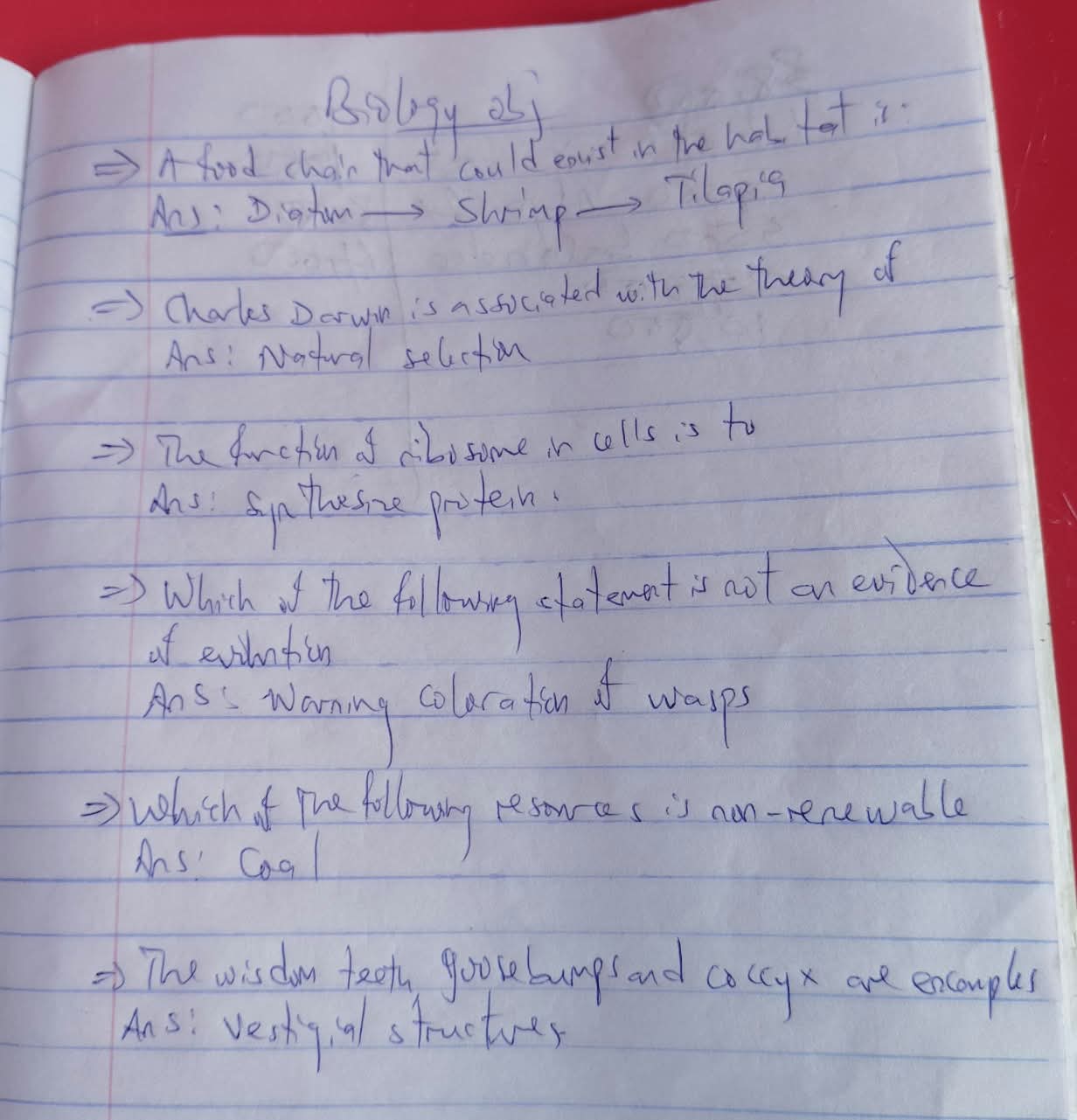
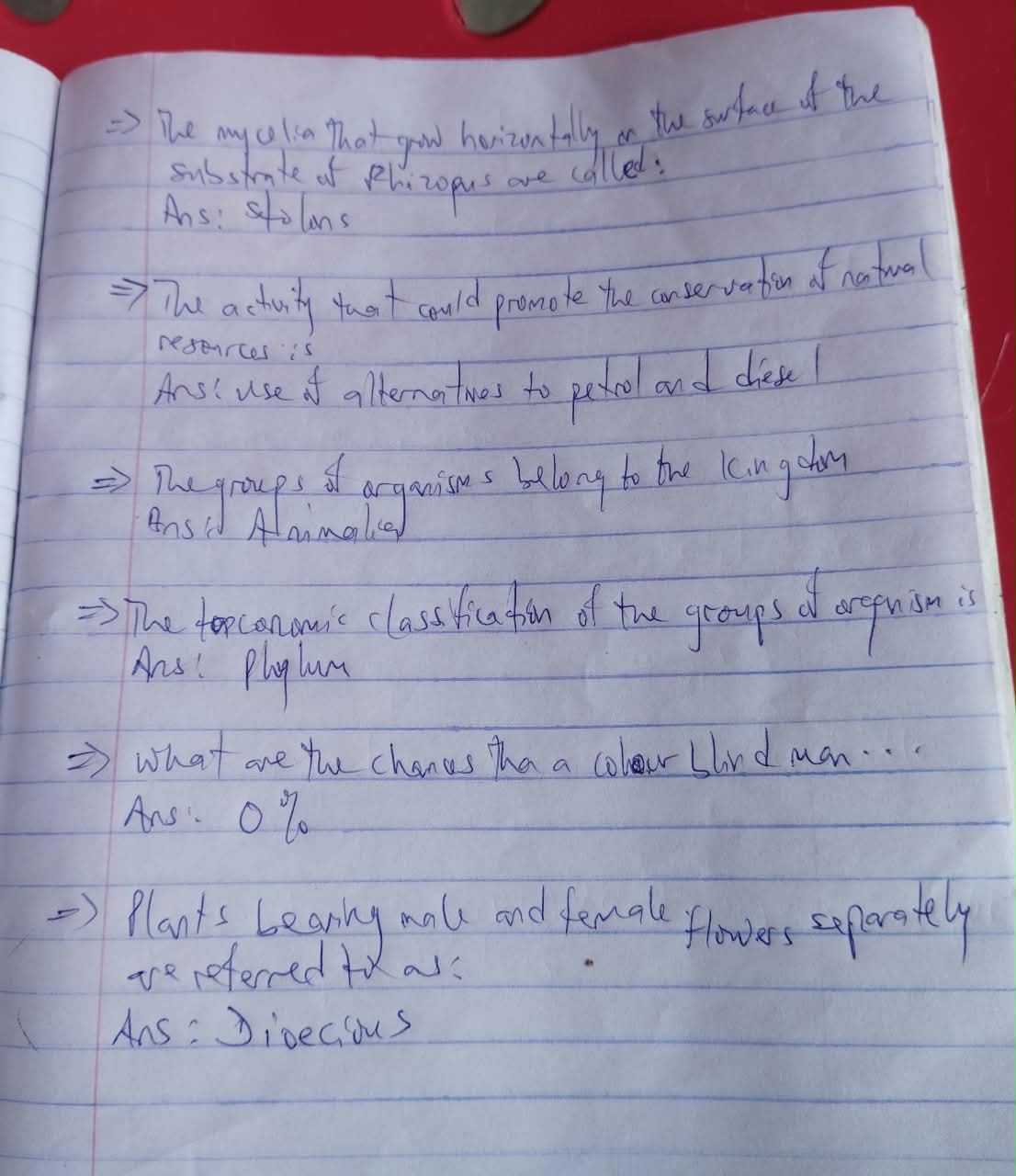
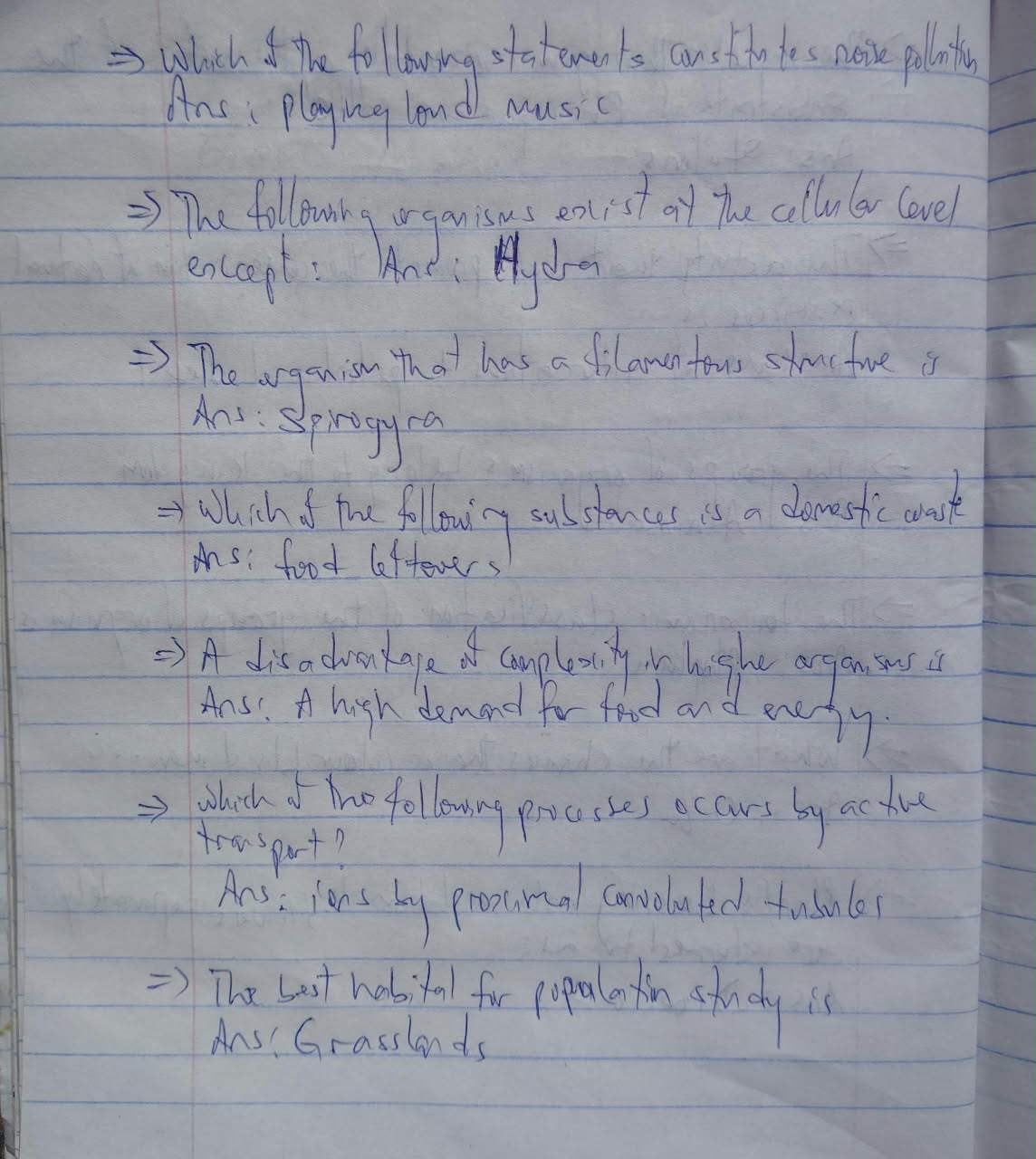
ETC..
WAEC GCE 2026 Biology Questions and Answers
NUMBER 1
(1a)
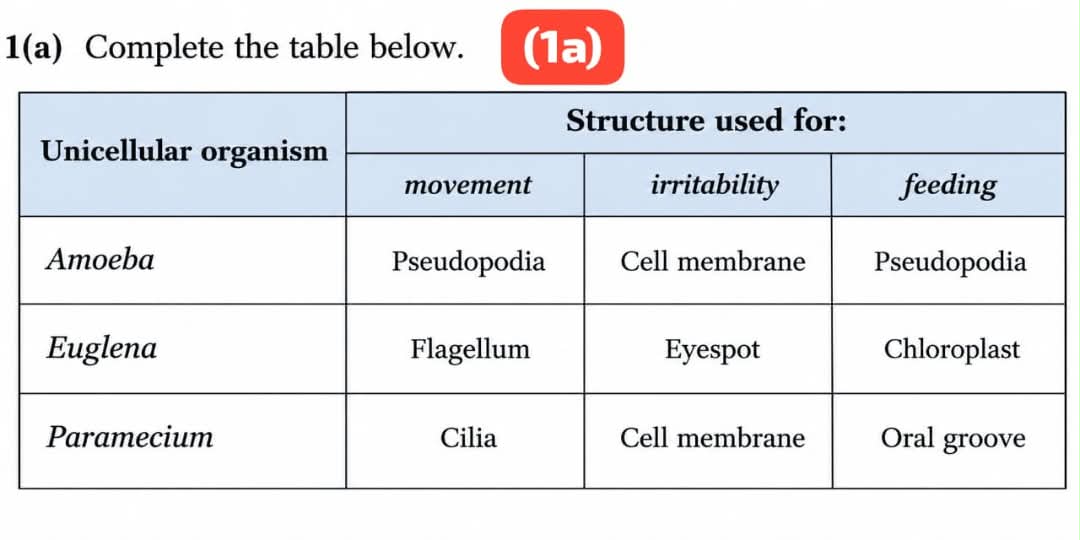
(1b)
(i) Nose/nostrils
(ii) Trachea
(iii) Bronchi
(iv) Lungs
(v) Diaphragm
(1ci)
The process that led to the rising of the dough is fermentation.
(1cii)
Yeast carries out anaerobic respiration, breaking down sugar to produce ethanol and carbon dioxide. The carbon dioxide gas becomes trapped in the dough, causing it to expand and rise.
(1ciii)
(PICK ANY THREE)
(i) Production of alcoholic drinks such as beer and wine
(ii) Production of yoghurt
(iii) Production of organic acids such as citric acid
(iv) Production of bread
(v) Production of beer
(vi) Production of wine
(vii) Production of yoghurt
(viii) Production of cheese
NUMBER 2
(2ai)
(PICK ANY THREE)
(i) Growth and development of body tissues.
(ii) Repair of damaged tissues.
(iii) Formation of enzymes.
(iv) Formation of hormones.
(v) Formation of antibodies for immunity.
(vi) Formation of muscles and other body structures.
(vii) Transport of substances in the body.
(viii) Provide energy when carbohydrates and fats are insufficient.
(2aii)
(PICK ANY TWO)
(i) Kwashiorkor.
(ii) Marasmus.
(iii) Stunted growth.
(iv) Oedema.
(v) Anaemia.
(vi) Frequent infections due to weakened immunity.
(2bi)
(i) Elongated snout (rostrum) for boring into grains/seeds.
(ii) Strong mandibles for biting and chewing plant materials.
(2bii)
(PICK ANY ONE)
(i) Damage stored grains.
(ii) Reduce the quantity of stored crops.
(iii) Reduce the quality of grains.
(iv) Destroy seeds meant for planting.
(v) Reduce the market value of farm produce.
(vi) Contaminate stored food with faeces and body parts.
(vii) Encourage fungal growth in damaged grains.
(viii) Cause financial losses to farmers.
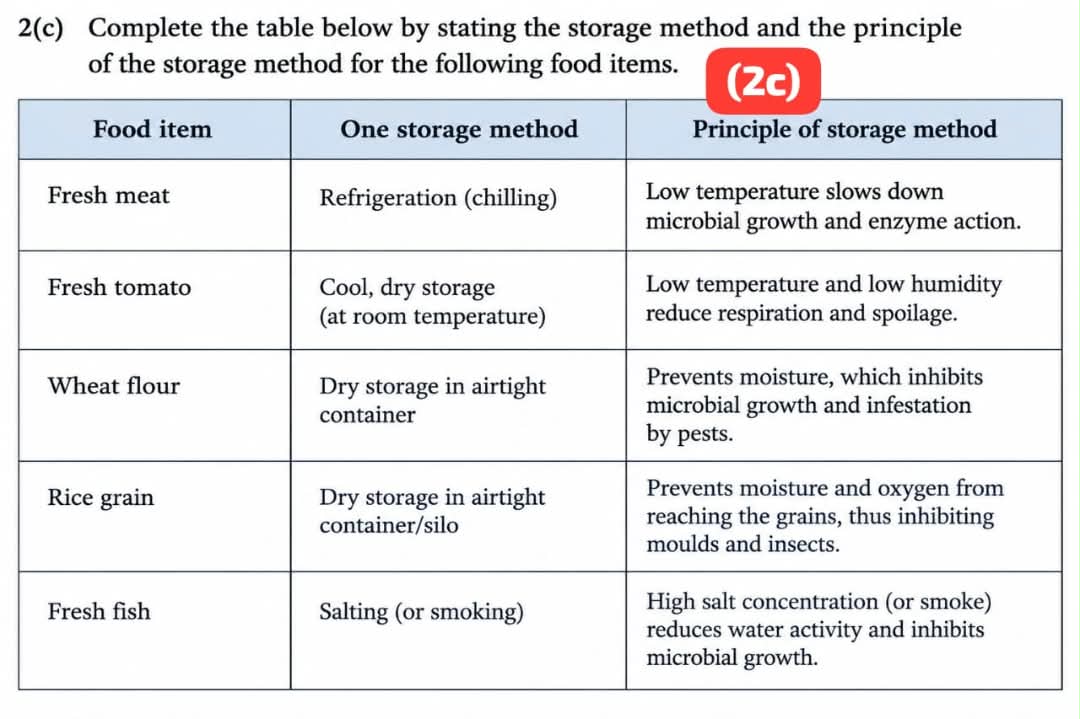
(2c)
NUMBER 3
(3a)
A vector is an organism that carries and transmits a disease-causing organism from an infected person or animal to another person. WHILE A pathogen is a disease-causing organism such as a bacterium, virus, fungus or protozoan.
(3b)
(i) Mosquito
(ii) Housefly
(iii) Tick
(3c)
(PICK ANY THREE)
(i) It causes environmental pollution and offensive odour.
(ii) It provides breeding places for flies, mosquitoes and rodents.
(iii) It can spread diseases such as cholera, typhoid and malaria.
(iv) It contaminates surface and underground water.
(v) It attracts rats and other disease-carrying animals.
(vi) It causes air pollution through unpleasant smoke and gases.
(vii) It blocks drainage channels and can cause flooding.
(viii) It makes the environment dirty and unattractive.
(3di)
In the soil:
(PICK ANY TWO)
(i) They decompose dead organic matter and release nutrients into the soil.
(ii) They improve soil fertility through nitrogen fixation.
(iii) They help in the formation of humus.
(iv) They recycle nutrients in the soil.
(v) They improve soil structure and aeration.
(vi) They help in the decomposition of plant and animal remains.
(vii) They make nutrients available for plant absorption.
(3dii)
In food industries:
(PICK ANY TWO)
(i) They are used in the production of bread.
(ii) They are used in the production of yoghurt.
(iii) They are used in the production of cheese.
(iv) They are used in the production of alcoholic beverages.
(v) They are used in the production of vinegar.
(vi) They are used in the fermentation and preservation of some foods.
(vii) They are used in the production of food flavouring substances.
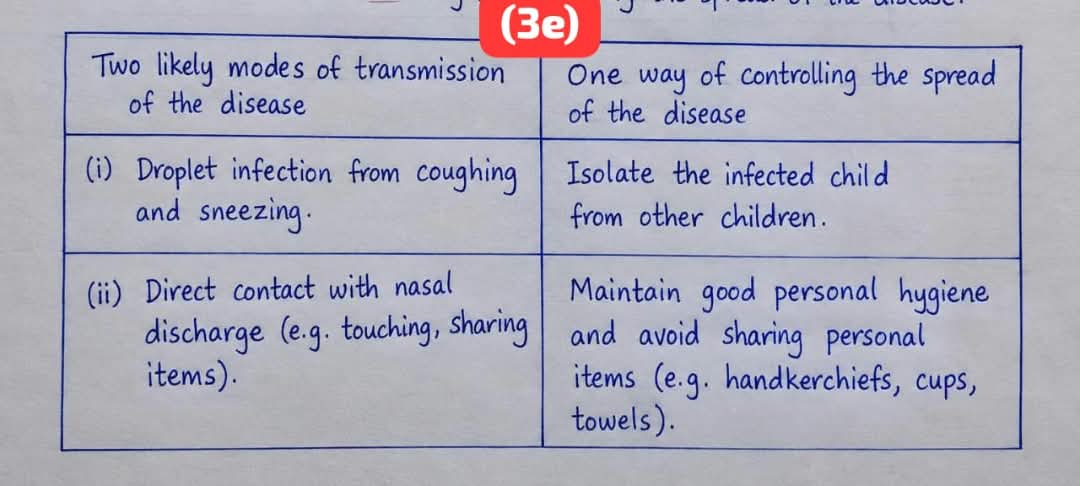
(3e)
NUMBER 4
— ExamRunz Team
WhatsApp: 07034630271
==========================================
WAEC GCE 2026 Biology Questions and Answers
If you found this post helpful or have any questions, please leave a comment below.