
Lekki Headmaster Questions Chapter 1 Secure Now
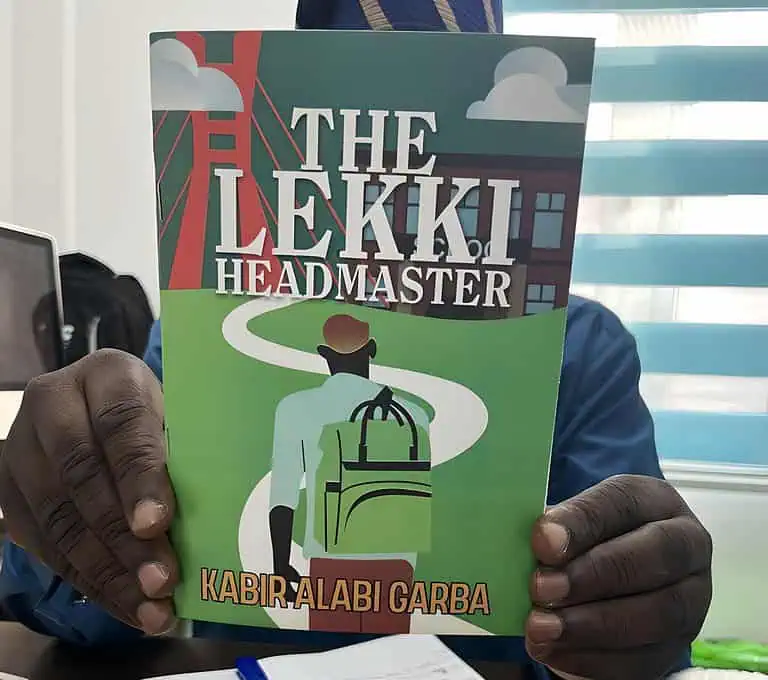
This article covers 50 questions based on Chapter 1, Dusk…, in The Lekki Headmaster by Kabir Alabi Garba. Each question includes four answer options, the correct choice, and an explanation.
The questions focus on events, characters, and themes from the chapter. Explanations make it easier to follow the story.
Test yourself by answering the questions first. Then use the explanations to check your understanding.
Note: These questions are only for practice and may not appear Exactly in the UTME.
If you need your real jamb Expo then you have to click here
Lekki Headmaster Sample Questions: Chapter 1 — Dusk…
1. What is the primary setting of Chapter 1?
a) A classroom
b) A school assembly
c) A principal’s office
d) A school yard
2. Who is the main character introduced in Chapter 1?
a) Mrs. Ibidun Gloss
b) Mr. Bepo Adewale
c) Mr. Audu
d) A student
3. What event is taking place at the school during Chapter 1?
a) A sports day
b) A graduation ceremony
c) A school assembly
d) A parent-teacher meeting
4. How do the students feel about the assembly?
a) Excited
b) Bored
c) Anxious
d) Indifferent
5.
What is the principal’s demeanor during the assembly?
a) Angry
b) Cheerful
c) Indifferent
d) Nervous
6. What does Mr. Bepo emphasize during his speech?
a) Academic excellence
b) Discipline
c) Extracurricular activities
d) School rules
7. Who interrupts Mr. Bepo during the assembly?
a) A teacher
b) A parent
c) A student
d) The vice principal
8. What is the reaction of the other students to the interruption?
a) They laugh
b) They scold the student
c) They ignore it
d) They cheer
9. What does Mr. Bepo do after the interruption?
a) He gets angry
b) He laughs it off
c) He dismisses the student
d) He changes the topic
10. What theme is introduced in Chapter 1?
a) Friendship
b) Leadership
c) Competition
d) Family
11. How does Mr. Bepo engage with the students?
a) By lecturing them
b) By asking questions
c) By telling jokes
d) By giving orders
12.What is the overall mood of the assembly?
a) Tense
b) Joyful
c) Somber
d) Chaotic
13. What does Mr. Bepo encourage the students to do?
a) Study harder
b) Participate in sports
c) Join clubs
d) Volunteer
14. How does Mr. Bepo handle disruptions during the assembly?
a) He ignores them
b) He addresses them calmly
c) He becomes angry
d) He dismisses the assembly
15. What does Mr. Bepo’s leadership style reflect?
a) Authoritarianism
b) Collaboration
c) Indifference
d) Rigidity
16. What is the primary focus of Mr. Bepo’s speech?
a) School policies
b) Academic performance
c) Extracurricular activities
d) Community service
17. What does the assembly serve as a platform for?
a) Announcements
b) Celebrations
c) Conflicts
d) Evaluations
18. How does Mr. Bepo’s speech impact the students’ morale?
a) It lowers it
b) It has no effect
c) It boosts it
d) It confuses them
19. What does the chapter suggest about the relationship between Mr. Bepo and the students?
a) It is distant
b) It is antagonistic
c) It is friendly and respectful
d) It is formal
20. What does Mr. Bepo hope to achieve through the assembly?
a) To entertain
b) To inform and inspire
c) To discipline
d) To evaluate
21. How does the chapter portray the students’ engagement?
a) Passive
b) Active
c) Disinterested
d) Hostile
22. What does Mr. Bepo encourage students to take pride in?
a) Their school
b) Their grades
c) Their uniforms
d) Their families
23. How does Mr. Bepo’s interaction with the students reveal his character?
a) He is strict
b) He is approachable
c) He is indifferent
d) He is aloof
24. What is the significance of the assembly in the students’ school life?
a) It is a formality
b) It is a source of stress
c) It is a bonding experience
d) It is a punishment
25. How does Mr. Bepo’s speech reflect his values as a principal?
a) It shows he values discipline
b) It shows he values humor and engagement
c) It shows he values competition
d) It shows he values indifference
26. How does the chapter depict the role of humor in education?
a) As unimportant
b) As a distraction
c) As a valuable tool
d) As inappropriate
27. What does Mr. Bepo hope the students will remember from the assembly?
a) The rules
b) The fun
c) The lessons
d) The jokes
28. How does the chapter portray the relationship between students and teachers?
a) Hostile
b) Distant
c) Collaborative
d) Indifferent
29. What is the primary goal of the assembly?
a) To entertain
b) To inform and motivate
c) To discipline
d) To evaluate performance
30. How does Mr. Bepo’s leadership style affect the school environment?
a) It creates tension
b) It fosters positivity
c) It leads to chaos
d) It causes indifference
31. What does the assembly symbolize for the students?
a) A burden
b) A routine
c) A celebration of learning
d) A punishment
32. How does Mr. Bepo address the students’ concerns?
a) He ignores them
b) He listens and responds
c) He dismisses them
d) He scolds them
33. What does the chapter suggest about the importance of school assemblies?
a) They are unnecessary
b) They are crucial for community building
c) They are a waste of time
d) They are only for announcements
34. How does Mr. Bepo’s speech reflect his values as a principal?
a) It shows he values control
b) It shows he values humor and engagement
c) It shows he values distance
d) It shows he values authority
35. What is the students’ primary takeaway from the assembly?
a) The importance of rules
b) The importance of friendship
c) The importance of academic success
d) The importance of sports
36. How does the chapter depict the role of the vice principal?
a) As a strict enforcer
b) As a supportive figure
c) As an indifferent observer
d) As a competitor
37. What does Mr. Bepo hope to instill in the students through his speech?
a) Fear
b) Motivation
c) Indifference
d) Competition
38. How does the assembly contribute to the students’ sense of belonging?
a) It isolates them
b) It unites them
c) It confuses them
d) It bores them
39. What does Mr. Bepo’s approach to leadership emphasize?
a) Control
b) Engagement
c) Distance
d) Authority
40. How does the chapter portray the students’ attitude towards learning?
a) Disinterested
b) Enthusiastic
c) Resentful
d) Indifferent
41. What is the overall message of Chapter 1?
a) Education is a burden
b) Community and support are vital in education
c) Competition is key to success
d) Rules are meant to be broken
42. How does Mr. Bepo’s speech impact the school culture?
a) It creates division
b) It fosters a positive environment
c) It leads to chaos
d) It causes indifference
43. What role does the assembly play in fostering school spirit?
a) It isolates students
b) It fosters school spirit
c) It confuses students
d) It bores students
44. How does Mr. Bepo encourage student participation?
a) By ignoring them
b) By encouraging questions
c) By dismissing them
d) By scolding them
45. What does the chapter reveal about the students’ expectations?
a) They expect indifference
b) They expect support
c) They expect competition
d) They expect punishment
46. How does Mr. Bepo’s humor affect the assembly atmosphere?
a) It creates tension
b) It lightens the atmosphere
c) It confuses students
d) It is inappropriate
47. What is the significance of the students’ laughter during the assembly?
a) It signifies joy and engagement
b) It signifies boredom
c) It signifies confusion
d) It signifies resentment
48. How does Mr. Bepo’s speech address the challenges students face?
a) It ignores them
b) It acknowledges and addresses them
c) It dismisses them
d) It exaggerates them
49. What lasting impression does the assembly leave on the students?
a) A negative impression
b) A positive impression
c) An indifferent impression
d) A confusing impression
50. What does Mr. Bepo hope to achieve through the assembly?
a) To entertain
b) To inform and inspire
c) To discipline
d) To evaluate
Lekki Headmaster Questions Chapter 1 Secure Now
Lekki Headmaster Questions Chapter 1 Secure Now
Lekki Headmaster Questions Chapter 1 Secure Now
Lekki Headmaster Questions Chapter 1 Secure Now
Lekki Headmaster Questions Chapter 1 Secure Now
Lekki Headmaster Questions Chapter 1 Secure Now
Lekki Headmaster Questions Chapter 1 Secure Now
Lekki Headmaster Questions Chapter 1 Secure Now
Lekki Headmaster Questions Chapter 1 Secure Now
Lekki Headmaster Questions Chapter 1 Secure Now
Lekki Headmaster Questions Chapter 1 Secure Now
Lekki Headmaster Questions Chapter 1 Secure Now
Lekki Headmaster Questions Chapter 1 Secure Now
Be the first to comment